What Beer Has The Most Alcohol
We set out to define this question and explain how we rank strength by abv and real-world drinker experience. Our goal is to give clear criteria so readers know how we compare bottles by ethanol volume, not warm finish or perceived punch.
We will present a global list of heavyweights and a United States shortlist of notable releases. Expect styles from eisbock and imperial stout to barleywine, quad ales, and high-ABV IPAs.
Availability and packaging shape what collectors and tasters can find in the united states. We verify abv and alcohol content with producers or trusted sources so our recommendations are accurate.
We also offer quick flavor cues, rarity notes, and safety tips. High-abv pours need smaller servings, slower pacing, and food for balance. Read on for definitions, global champions, and how to build your top-strength lineup.
Understanding ABV: How Alcohol by Volume Defines “Strongest” Beer
We define ABV as the clearest metric for ranking liquid strength and explain how it guides our comparisons.
ABV vs. Perceived Strength: Warmth, Body, and Balance
ABV is the percentage of alcohol volume relative to total liquid. It is the baseline for comparing strength in the industry and for our list.
Perceived strength can differ from labeled ABV. Warmth, body, sweetness, and bitterness change how a beer drinks even when alcohol content matches.
- Carbonation and residual sugars alter mouthfeel and can hide or highlight alcohol.
- Brewers hit target ABV with yeast choice, fermentation timing, and conditioning to keep flavor stable.
- Two styles at equal ABV may drink very differently—rich barleywine often feels smoother than a dry imperial IPA.
| Factor | Effect on Perception | Relation to ABV | Typical Example |
|---|---|---|---|
| Carbonation | Brighter, more volatile aroma | Doesn’t change ABV | Light, fizzy lager |
| Residual sugar | Smoother, fuller mouthfeel | May mask alcohol volume | Barleywine |
| Oak/barrel aging | Adds warmth and tannin | Can concentrate alcohol | Barrel-aged stout |
| Attenuation | Dry, sharp finish | Reveals true alcohol level | Dry imperial IPA |
Read labels for both ABV and volume to compare accurately before purchase. We cross-check producer reports so our rankings reflect verified content and real drinking impressions.
What Beer Has The Most Alcohol: The Global Heavyweights Right Now
Here we spotlight the global heavyweights that push abv limits and shape collector conversations.
Snake Venom — Brewmeister (67.5% abv)
Snake Venom tops our list at 67.5% abv. This release from a Scottish brewing company uses freeze-concentration techniques similar to ice methods in eisbock tradition.
Expect rich malt sweetness with caramel and dark-fruit notes and a strong warming finish.
Armageddon — Brewmeister (65% abv)
Armageddon registers 65% abv and leans heavily on caramel and toffee flavors. Sweetness helps mask some of the punch, but alcohol presence is unmistakable.
Schorschbock 57 — Schorschbräu (57.5% abv)
Schorschbock 57 continues the German strong-lager line. Toffee and molasses drive the profile while iterative cold concentration boosts alcohol volume.
The End of History — BrewDog (55% abv)
Released in extremely limited numbers, this experimental ale sits at 55% abv. Packaging made headlines; the liquid shows spicy, sweet, and warming layers.
Utopias — Samuel Adams (typically 20%+ abv)
Utopias varies by version but often exceeds 20% abv. Barrel aging in sherry, cognac, and bourbon casks builds dark-fruit, toffee, and oxidative complexity.
| Release | Reported ABV | Key Flavor Notes | Rarity / Packaging |
|---|---|---|---|
| Snake Venom (Brewmeister) | 67.5% | Caramel, dark fruit, warming ethanol | Micro runs, limited bottle counts |
| Armageddon (Brewmeister) | 65% | Caramel, toffee, heavy warmth | Small release, collector interest |
| Schorschbock 57 (Schorschbräu) | 57.5% | Toffee, molasses, dense body | Limited German export |
| The End of History (BrewDog) | 55% | Spicy, sweet, complex warmth | Extremely limited; novelty packaging |
| Utopias (Samuel Adams) | 20%+ | Dark fruit, toffee, barrel spice | Annual versions; varied release sizes |
We note that percentage alone does not equal superior flavor. Many of these bottles are made for sipping and collecting rather than casual drinking.
Top Extreme ABV Beers at a Glance: Style, Flavor Notes, and Bottle Rarity
We summarize landmark extreme-ABV releases so readers can scan style, tasting cues, and rarity before hunting a bottle.
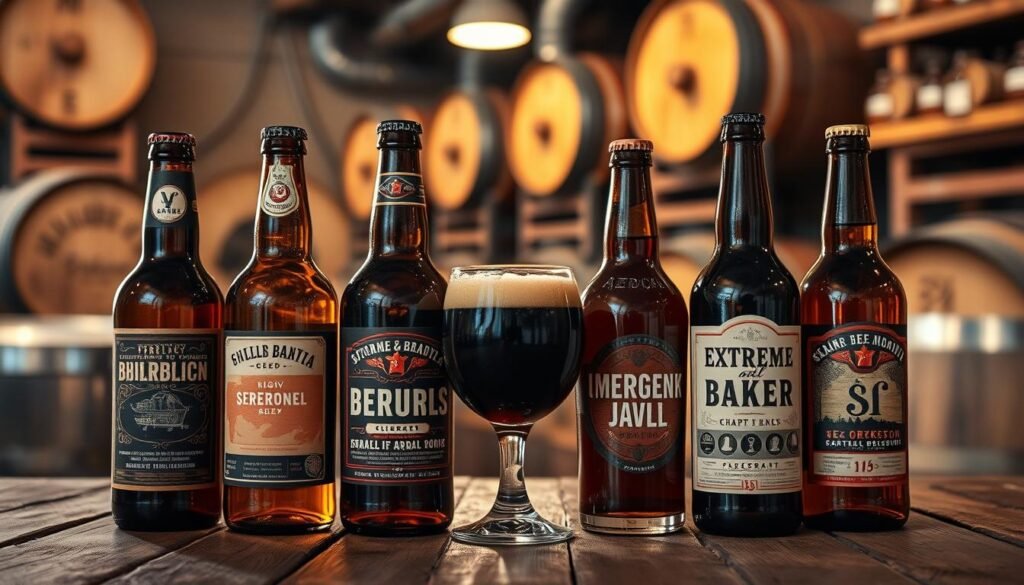
Caramel, Toffee, and Dark Fruit Profiles in High-ABV Brews
Many top-tier brews lean on dense malt and residual sugar. That yields caramel, toffee, and dark fruit notes that smooth ethanol warmth.
Oak and oxidative sherry tones add depth in barrel-aged editions. Lagers pushed through freeze concentration develop dessert-like malt character distinct from hop-forward strong ales.
Limited Releases, Series Bottlings, and Collectible Packaging
Breweries often issue these as limited series or one-off releases. Each bottle run can vary in abv, blend, and barrel make-up.
- Collectible packaging and micro-run counts drive demand and price.
- Join mailing lists or retailer allocations to secure a sought-after release.
- Scan producer notes for barrel types and vintage volume to predict flavor shifts.
| Style | Key Flavors | Rarity |
|---|---|---|
| Barrel-aged stout | Toffee, dark fruit, oak | Small yearly release |
| Eisbock / concentrated lager | Caramel, dense malt | Micro runs; collector interest |
| Barleywine / quad | Oxidative sherry-like tones | Series bottles; vintage change |
Our United States Shortlist: High-ABV Craft Beers to Seek Out
Our roundup focuses on seven standout united states releases that pair high abv with clear tasting identity and collectible appeal.
We picked entries across styles so readers can see how brewing techniques and barrels shape volume and flavor. Below each entry includes ABV, style, and a quick tasting or release note.
River North Vicennial: God Complex — 17.8% ABV (Belgian Quad)
A belgian-style quadrupel built for cellaring. River North brewery reports a 2019 version that can age up to 20 year with evolving dark-fruit and caramel notes.
Evil Twin 120 Days Dry-aged Stout — 17.5% ABV
Part of a 60/90/120 series, this dry-aged stout is dense, chocolate-forward, and commonly paired with steak. Fans track each version for subtle changes.
Smog City Bourbon OE — 14.9% ABV (Barleywine)
Barrel-aged over a year in fresh bourbon barrels, this barleywine delivers bourbon-pecan pie flavors and sells out fast on annual release days.
Jester King Encendia — 14.1% ABV (Imperial Saison)
An imperial saison aged in mezcal barrels with chilis. Smoky heat and rustic funk make it a singular craft ale worth watching on drop lists.
Hoppin’ Frog Frogichlaus — 14.1% ABV (Holiday Lager)
A Swiss-style holiday lager with deep caramel and toffee. Released seasonally, it proves a lager can hold its own in high-ABV company.
Adroit Theory Dia de los Muertos — 13.7% ABV (Imperial Stout)
This Mexican chocolate stout appears in multiple versions, from rum barrel to dessert-forward variants. Expect rich cocoa and baking-spice notes.
Anchorage Star Dragon — 11.4% ABV (Quadruple IPA)
A hop-saturated quadruple IPA using Strata and Mosaic. Big tropical aroma hides its alcohol volume, making it dangerously easy to sip.
- We spotlight seven united states standouts across styles, all verified for abv and sought by collectors.
- Track brewery newsletters and annual release calendars to secure small allocations on drop day.
- Serving tips: smaller pours, appropriate glassware, and time to let aromas open will manage perceived strength and reveal true tasting notes.
| Name | ABV | Style | Release Cadence |
|---|---|---|---|
| Vicennial: God Complex | 17.8% | Belgian Quad | Occasional / Vintage |
| 120 Days Dry-aged Stout | 17.5% | Imperial Stout | Series (60/90/120) |
| Smog City Bourbon OE | 14.9% | Barleywine | Annual |
Why Some Beers Reach Extreme ABV: Techniques and Barrel Programs
We trace how technique and woodwork let some releases climb far past standard abv limits.
Barrel programs drive much of that depth. Bourbon, sherry, cognac, and mezcal casks each add distinct notes—vanilla and char from bourbon, dried fruit and oxidative spice from sherry, hard-fruit warmth from cognac, and smoky layers from mezcal.
Extended aging allows these compounds to marry malt sweetness without changing labeled alcohol content. Brewers manage tiny oxygen doses to promote fig, raisin, and toffee tones while avoiding ruinous oxidation.
Freeze concentration—removing ice to boost alcohol volume—is common in eisbock-style projects. This ice step concentrates sugars, flavor, and ethanol, raising perceived body and warmth even when bottle abv is the headline number.
- Risks: concentration can amplify defects; barrels demand sanitation and blending skill.
- Rewards: blended barrel batches (like Utopias) or mezcal-aged runs (Encendia) add layered complexity beyond raw abv.
- Tasting tip: sample barrel and non-barrel versions side-by-side to isolate what casks add.
| Technique | Primary Effect | Example |
|---|---|---|
| Bourbon barrels | Vanilla, caramel, char, fuller mouthfeel | Smog City Bourbon OE |
| Sherry / Cognac casks | Dried fruit, oxidative spice, added warmth | Utopias (spirit-barrel blends) |
| Mesa/Mezcal barrels | Smoky, herbal notes; unique terroir impact | Jester King Encendia |
| Freeze concentration (ice removal) | Higher alcohol volume, intensified flavor, denser body | Eisbock-style concentrates |
We recommend recording tasting notes over time. Track how residual sugar and oak tannins change mouthfeel, head retention, and how slowly a pour reveals its layers. This gives a clear picture of how volume, barrel type, and cellaring shape each vintage.
Strongest Beers by Style: Stouts, Barleywines, IPAs, Lagers, and Beyond
Across stouts, barleywines, ipa, and lager, high volume and alcohol volume show up very differently in aroma and mouthfeel.
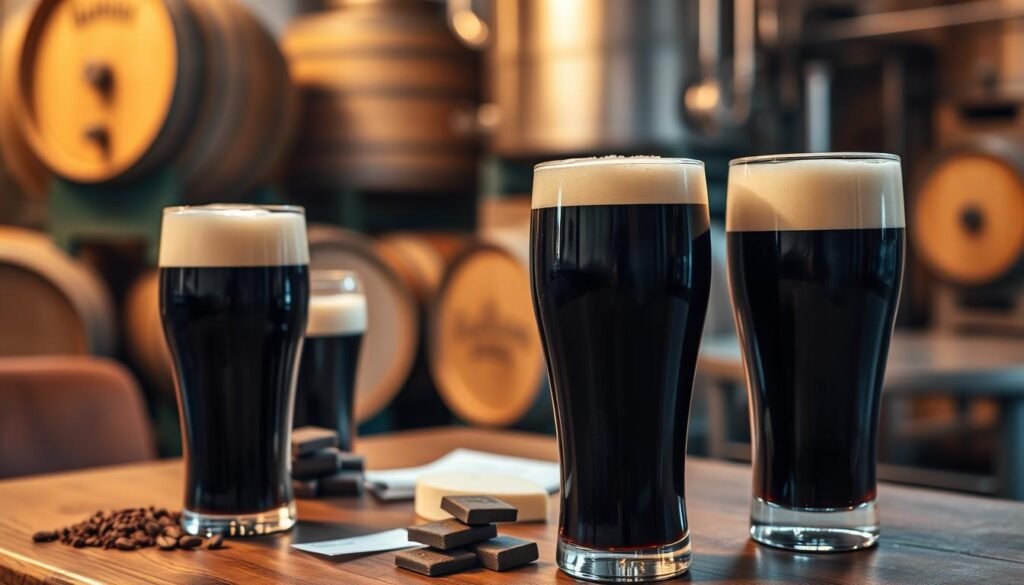
We find stouts and barleywines lean on malt richness and residual sugar to cushion sharp ethanol. Imperial stouts deliver roast, chocolate, and coffee notes while barleywines favor toffee and dark fruit as abv climbs.
Ultra-hopped ipas chase dryness and resinous bite to mask warmth. Lagers at extreme abv often use freeze concentration, producing syrupy body and candied fruit tones rather than hop-driven lift.
Craft beer makers tweak yeast strains, mash rests, and adjuncts to protect fermentation health and keep drinkability. The industry labels like “imperial” or “quadruple” signal intensity, but standards vary across producers.
- Pick by style first: choose your flavor profile, then seek the strongest examples.
- Compare sweetness versus bitterness to predict perceived warmth.
- Try cross-style flights to learn how volume and residual sugar shift balance.
| Style | Typical ABV Range | Flavor Expectations | Serving Tip |
|---|---|---|---|
| Imperial Stouts / Stouts | 10–20%+ | Roast, chocolate, coffee | Small pour, 50–60°F |
| Barleywine | 10–15%+ | Toffee, dark fruit, oak | Decant, sip slowly |
| IPA / ipa | 8–12%+ | Citrus, tropical resin, bitter finish | Cooler glass, monitor pace |
| Eisbock / Lager | 12–25%+ | Caramel, candied fruit, dense body | Smaller tasting portion |
Tasting High-ABV Beers: Flavor Layers from Toffee to Oak
A methodical tasting routine helps us find layered flavors in strong pours. We want to hear the sequence: first aroma, then mid-palate, then finish.
Serving Temperature, Glassware, and Sipping Pace
Serve slightly warmer than fridge-cold—mid-50s °F—to open aromatics and soften sharp edges. Use a snifter or tulip to concentrate scent and guide the nose toward toffee, oak, and dried fruit notes.
Pour small amounts, 3–6 oz for very high abv. Sip slowly and note where heat appears: initial warmth, mid-palate integration, then finish length.
Check label cues: alcohol volume and bottle volume set expectations for body and intensity. Carbonation and residual sugar change whether alcohol reads hot or rounded; let a pour sit a few minutes to settle.
Light beer drinkers trying strong bottles should start with balanced examples. In the united states craft scene, pairings like aged cheese, roasted meat, or chocolate desserts help tame perceived fire.
- Journal tasting notes to track changes with temperature and time.
- Pace pours across a session and prioritize enjoyment and safety.
| Topic | Recommended | Why it matters |
|---|---|---|
| Temperature | 50–56 °F | Opens aromatics; softens harsh ethanol |
| Glassware | Snifter or tulip | Concentrates aroma for layered tasting |
| Pour size | 3–6 oz | Limits intake while allowing full impression |
| Pairing | Rich cheese, roasted meat, dessert | Balances sweetness and body; tames heat |
Limited Releases and Vintage Potential: Cellaring High-ABV Bottles
Cellaring high-ABV bottles rewards patience and reveals how vintages evolve with time.
Annual releases and series drops often change by year. Blending, barrel mix, and fermentation shifts create distinct vintage notes. River North’s Vicennial: God Complex has a brewery note that it can cellar up to 20 years. Smog City’s Bourbon OE is an annual release aged over a year in bourbon barrels. Frogichlaus appears seasonally around Christmas.
Annual cycles and storage basics
Higher abv and residual sugar usually extend aging potential. Oak rounds hot edges and deepens caramel and dried-fruit tones over time. But hop-forward beers and many lagers lose bright aromatics if held too long.
- Store at a steady 50–55°F in darkness with minimal light exposure.
- Keep bottles upright to protect caps and limit cork contact time.
- Track release dates and mark tasting intervals—every 1–2 years is a useful cadence.
| Item | Example | Suggested Cellar Window |
|---|---|---|
| Barrel-aged stout | Smog City Bourbon OE | 3–10 years (oak integration) |
| Belgian quad | Vicennial: God Complex | 5–20 years (cellarable long-term) |
| Seasonal lager | Hoppin’ Frog Frogichlaus | 1–4 years (best when fresh) |
Plan your cellar by abv, style, and producer. Set reminders to compare fresh versus aged bottles side-by-side. Stable conditions matter as much as clock time for getting the most from a special release.
ABV Benchmarks: When Does a Beer Become “High Alcohol” in the Industry?
For practical tasting and regulation, certain abv bands tend to mark a shift from strong to seriously potent.
Many markets treat 8%+ abv as notably strong, while double-digit percentages signal high strength. Labels in the united states routinely list abv and alcohol content, so we can compare alcohol volume across brands at a glance.
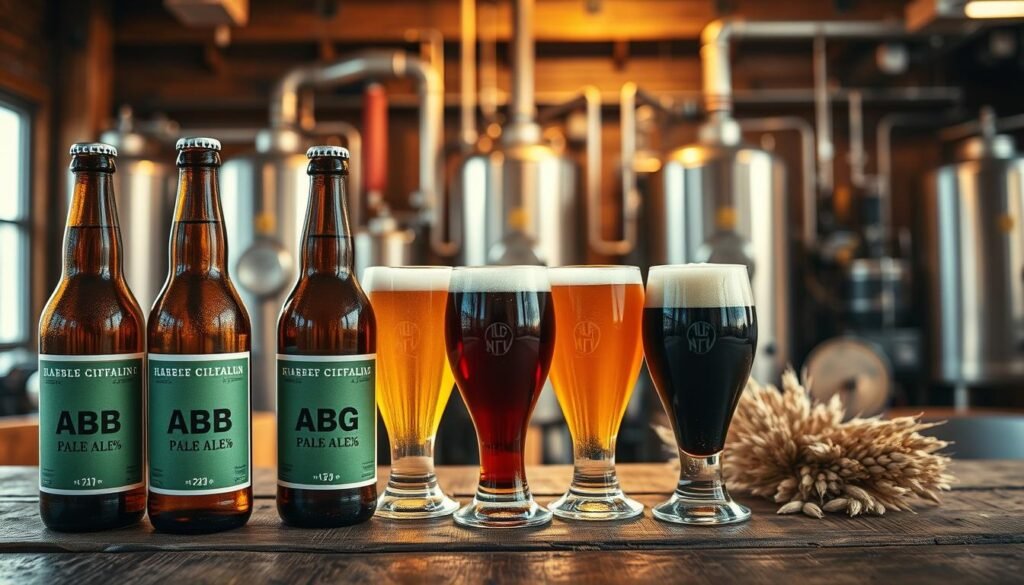
Competitions and festivals often group entries by abv bands each year, which creates informal industry cutoffs. Still, body, residual sugar, and bitterness shape perception: ten percent can feel smooth in a rich stout yet hot in a dry, hop-forward example.
- Use smaller pours once bottles cross double digits and pace by serving time and food pairing.
- Light beer drinkers should step up gradually from mid-strength before trying extreme examples.
- Consider volume and storage: larger bottles help share and slow intake during a tasting.
| Band | Typical Read | When to Adjust Pour |
|---|---|---|
| Under 8% (mid) | Sessionable, balanced | Standard pour |
| 8–10% | Notable strength | Smaller pour, watch pace |
| 10%+ | High abv; style-dependent | 3–6 oz, pair with food |
Benchmarks guide us, but our palate defines balance. Read abv on the label, note total volume, and let style steer expectations when you sample strong bottles.
American Craft Breweries Leading the Charge in Big ABV
Across the united states, small breweries balance bold recipes and smart barrel work to reach double-digit strength without losing flavor.
Flagship Extremes vs. One-Off Experiments
We profile united states craft beer leaders that consistently push high abv. River North, Evil Twin, Smog City, Jester King, Hoppin’ Frog, Anchorage, and Adroit Theory all appear on our radar.
Some brewers keep recurring flagships—aged quads or bourbon barleywines—so collectors know what to expect each year. Others launch one-off brews to test barrels, yeasts, or freeze concentration.
- Flagship runs tune recipes for repeatability and distribution across taprooms and limited retail.
- One-off experiments let a brewery iterate rapidly and share learnings with other brewers.
- Anchorage’s hop-forward quadruple ipa shows a dry, bitter path to high volume, while Smog City leans into oak and spirit casks.
| Producer | Notable Release | Approach |
|---|---|---|
| River North | Vicennial: God Complex | Cellar-friendly quad, vintage focus |
| Evil Twin | 120 Days Dry-aged Stout | Series experimentation, barrel detail |
| Anchorage | Star Dragon (Quad IPA) | Hop-forward, dry finish |
How Availability Works: United States Distribution and Seasonal Drops
Distribution patterns and seasonal calendars shape who gets first access to rare high-ABV releases in the united states.
Allocation varies state by state. Some producers use local distributors, others self-distribute from the brewery. That affects whether a release lands in a taproom or a specialty shop.
Time-sensitive drops and ticketed release day events require planning. We recommend joining brewery mailing lists and retailer waitlists to place an order on drop day.
- High abv and bottle volume often mean taproom-only runs; smaller cans may reach shops.
- Watch seasonal calendars—holiday lagers and annual barleywines usually return each year.
- Build relationships with breweries and retailers to learn about lotteries, ticketed pickups, or online reservations.
| Constraint | Effect | Tip |
|---|---|---|
| State shipping rules | May block alcohol volume shipments | Check local law before ordering |
| Small runs | Limited retail distribution | Join lists and monitor release time |
| Fresh vs. cellar | Hop-forward drops peak fresh; barrel beers can age | Open hop-saturated releases soon; stash barrel editions |
Track multiple drops to diversify your cellar. If you usually buy light beer, start with locally available craft examples before chasing rarities across states.
Safety First: Alcohol Percentage, Pour Size, and Responsible Enjoyment
Responsible tasting starts with small pours, hydration, and a clear plan for time and transport. We recommend modest servings of 3–6 oz for double-digit abv bottles to protect palate and pace.
Alternate sips with water and rotate in a light beer or nonalcoholic option to reset your taste buds. Share high-strength bottles among friends so everyone can sample without overconsuming.
Read labels for abv and serving guidance; many producers list ideal glassware and temperature. Space tastings and avoid stacking extreme pours in one sitting to reduce impairment risk.
- Pair with food and set time limits and ride plans before your session.
- Watch for palate fatigue—stepping away for a few minutes improves perception and safety.
- In the united states, follow legal and health guidelines and arrange transportation ahead of time.
| Topic | Practical Rule | Why it matters |
|---|---|---|
| Pour size | 3–6 oz | Limits intake while showing full flavor |
| Hydration | Alternate water between pours | Reduces impairment and helps tasting clarity |
| Pacing | Space pours over time | Prevents stacking effects and palate fatigue |
We reiterate that responsible enjoyment helps you appreciate nuanced flavors without compromising safety. Extreme abv is best approached with patience, hydration, and time.
Comparing Flavor vs. Firepower: Balanced Sippers vs. Boozy Bombs
We contrast pours built for nuanced tasting with those designed to break abv records and command attention. This helps us separate sippers from headline chasers before a tasting.
Aficionados prize layered examples that show caramel, toffee, dried fruit, and oak while alcohol sits integrated on the finish. Those bottles invite slow sips and conversation.
Other releases chase sheer percentage and can feel hot, thin, or solvent-like. Some high‑abv lager projects remain cohesive and dessert-like when concentrated correctly; others turn astringent if mismanaged.
We suggest tasting techniques to spot when alcohol dominates: a numbing heat, solvent aroma, or abrupt astringent finish. Split pours, let samples warm, and revisit to see if balance appears.
- Choose craft examples with barrel blends for complexity when hosting mixed groups.
- Pair with blue cheese or dark chocolate to soften boozy edges and highlight core flavors.
- Build flights that move from balanced sippers to more extreme pours so each bottle can shine.
| Style | Sign of Balance | Sign Alcohol Dominates |
|---|---|---|
| Barrel-aged stout | Oak, dried fruit, smooth finish | Hot, solvent note |
| Concentrated lager | Caramel, dense body, dessert-like | Thin, astringent aftertaste |
| High-ABV quad | Toffee, layered sweetness | Palate-numbing heat |
Building Your Strong Beer List: How We Chose Our Top Picks
We built this list to help collectors and tasters find verified, well‑balanced high‑abv bottles. Our method blends factual verification with hands‑on tasting notes so readers can weigh numbers against real drinking experience.
ABV Verification, Style Variety, and Tasting Credibility
First, we verified abv through producer statements or trusted reporting for every entry. That includes global outliers like Snake Venom (67.5%) and Utopias (20%+) and united states releases such as River North Vicennial (17.8%) and Evil Twin 120 Days (17.5%).
Next, we ensured style diversity. Our list spans barrel‑aged stouts, barleywines, quads, concentrated lagers, and hop‑forward versions. This helps readers match strength to flavor preference and serving approach.
We also weighed tasting credibility. We used sensory descriptions, aging program details, and brewery track records to judge whether a high abv reads as integrated or merely hot.
- Priority: confirmed abv and transparent producer notes.
- Range: stouts, quads, eisbock, barleywine, and imperial ipa.
- Practicality: united states availability and repeatable versions earned higher placement.
| Criteria | Why it matters | Example |
|---|---|---|
| ABV verification | Ensures list integrity and fair comparison | Snake Venom, Armageddon, Schorschbock 57 |
| Style variety | Matches drinker preference to strength profile | Imperial stout vs. eisbock vs. quad |
| Tasting credibility | Separates balanced sippers from boozy bombs | River North Vicennial; Smog City Bourbon OE |
We considered release cadence and alcohol volume strategies, along with producer notes on barrel types and blending. We also referenced brewers’ and public tasting impressions when available to triangulate accuracy.
Finally, we commit to periodic reviews to keep this list current as new versions and craft innovations appear.
Raise a Glass to Bold Brews: Where to Go Next in Your High-ABV Journey
Chart a practical path—identify styles you like, check abv, and lock in order windows ahead of release day. Make a short list of targets and set calendar alerts for drop day so you don’t miss small allocations.
Join brewery notification lists and place an order quickly when alerts arrive. Explore both local craft scenes and national brewing company standouts on road trips or festival weekends this year.
Start tastings with balanced sippers, then move toward more intense brews and an ipa or concentrated lager to protect palate clarity. Build a personal list of barrel-aged malt bombs, hop-forward pours, and concentrates, and run vertical tastings to see how editions evolve.
Share bottles, trade responsibly, and document notes to sharpen future order decisions. Cheers to curiosity and craftsmanship—your next great pour may be one release away.