Draft Beer Vs Bottle Beer
We aim to give beer lovers a clear, practical intro to the classic tap versus bottled debate.
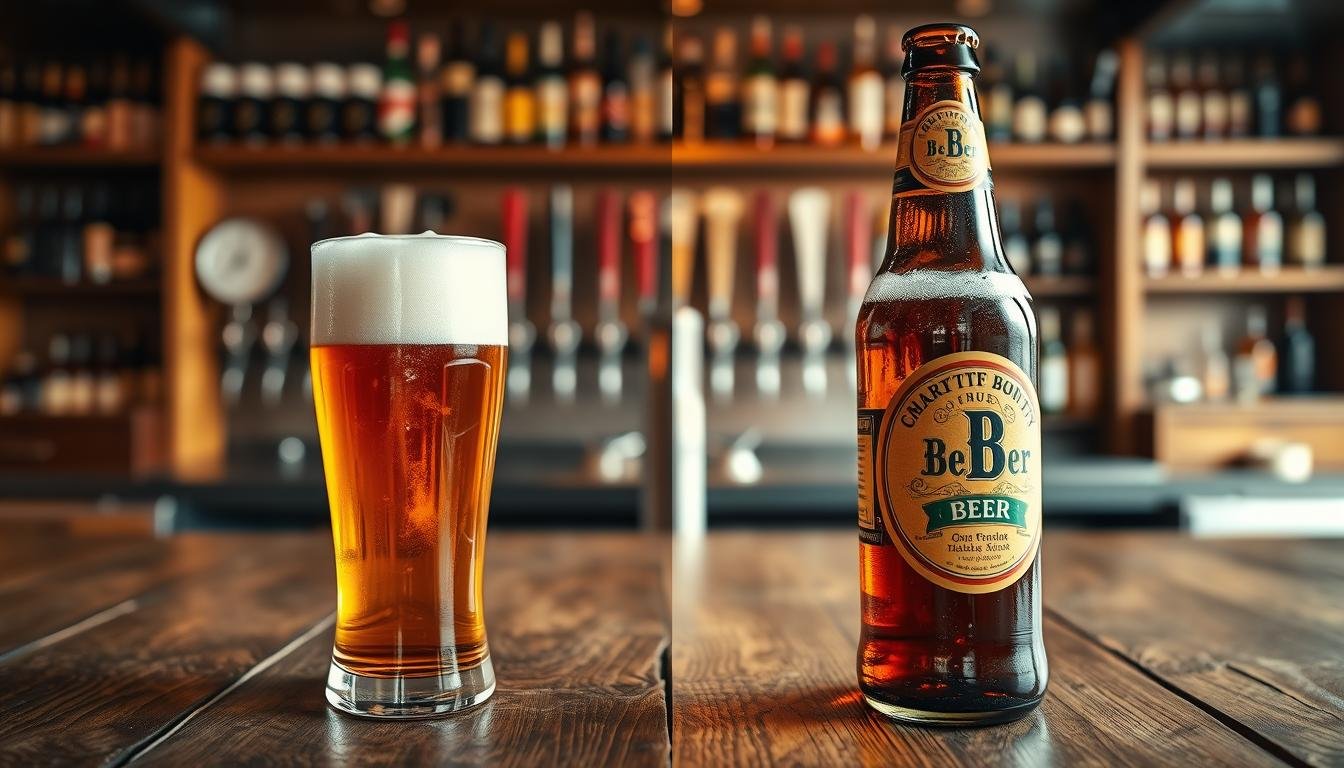
We will outline the core difference in how draft reaches the glass through pressurized kegs and cold chains, while bottled beer travels sealed and can sit on shelves longer before opening.
Freshness, portability, and service shape the experience. A poured pint in a taproom often feels more premium, and a bottle shines for casual, on-the-go plans.
Storage, light exposure, temperature, and serving technique all change how beers taste by the time we drink them.
In the full article we will compare flavor, shelf life, sustainability, cost, and real-world setups so people can choose what fits their event or habit.
Our verdict will not be one-size-fits-all; execution matters as much as format, and both options can deliver great results when handled well.
Understanding the Basics: How draft and bottled beer differ before they reach your glass
Before the pour, packaging sets the course for flavor and service. Most brews follow the same recipe until the final step, when they are either moved into kegs or sealed in bottles and cans.
From kegs to bottles and cans: packaging and pressure in the final step
Kegs hold beer under constant pressure and block exposed light, while bottles and cans are sealed to withstand internal CO2 pressure. Proper packaging protects carbonation and aroma, but each method handles those risks differently.
Why tap service changes the experience at the bar
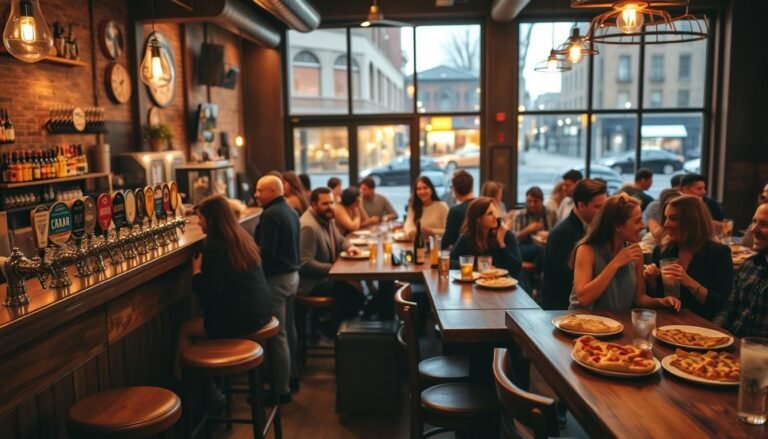
Tap systems push beer from keg to faucet under calibrated pressure. Line length, cleanliness, and temperature balance drive serving consistency. A clean tap and a fresh pour can make the same brand feel more vibrant at the bar.
- Kegs: cold, dark storage; low light exposure; needs CO2 and lines.
- Bottles cans: portable, sealed; risk of heat or light in storage.
- Events: taps require setup; bottles and cans simplify logistics.
| Aspect | Keg | Bottle/Can |
|---|---|---|
| Light protection | High | Variable |
| Pressure handling | External CO2 | Self-sealed |
| Service | Tap pour | Open and pour |
Taste, Freshness, and Flavor: what really changes between draft and bottled
The same label can tell different flavor stories depending on how it was stored and poured.
Light exposure and “skunking”: why bottle color matters
Exposed light can trigger UV reactions that create skunked aromas in many beers. Brown bottles block most UV, while green or clear glass lets more through.
That is why the same brew in bottles may taste different after shelf time. Proper cool storage helps preserve freshness in all packages.
Temperature and pressure control: keeping carbonation and aroma intact
Serving around 36–37°F with correct pressure keeps carbonation steady and aroma present. If pressure is off, head and taste shift quickly.
Draft line hygiene: how dirty lines can sabotage flavor
- Poorly cleaned lines can add sour or vinegary notes, masking intended flavor.
- Even excellent kegs pour poorly through neglected hardware.
- If a pour tastes off, ask for a fresh glass or another tap to isolate the issue.
Perceived smoothness and fizz: CO2 loss on the way from keg to glass
Some CO2 is released between keg and faucet, often yielding a smoother mouthfeel than a sealed bottle. That softening can make draft come best for drinkers who prefer less bite.
| Factor | How it alters taste |
|---|---|
| Light | Skunking risk; brown bottles protect better |
| Temperature | Aroma and carbonation stability at 36–37°F |
| Hygiene | Dirty lines cause off-flavors |
Storage, Shelf Life, and Quality Control over time
How we store beer determines how long it stays true to the brewer’s intent.
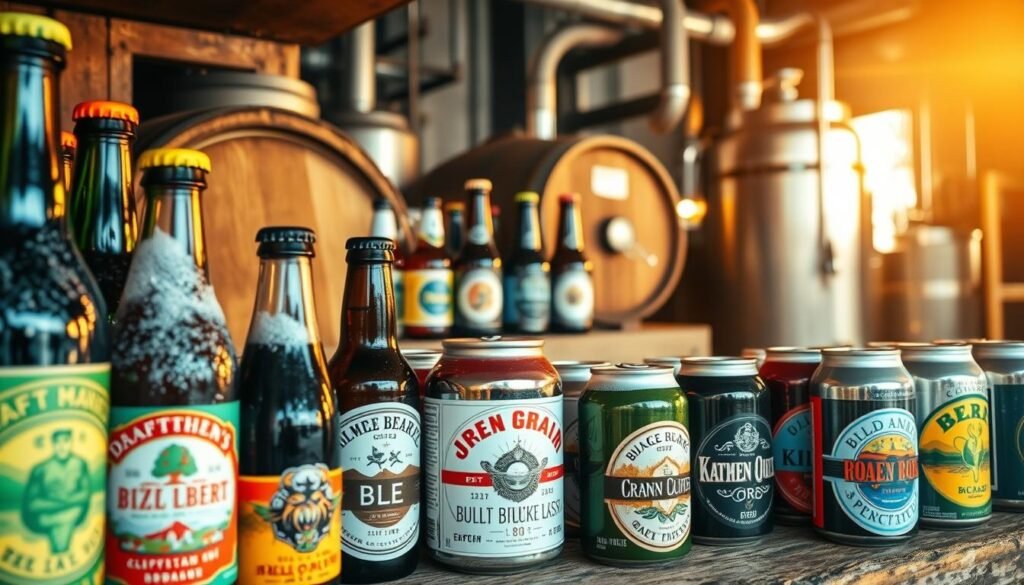
How long beer lasts: kegs protected from light vs bottles on the shelf
Kegs kept cold and dark can preserve quality for months. Stainless steel blocks light entirely and limits temperature swings.
Bottled beer on retail shelves faces UV and heat that speed staling. Brown bottles help, but they do not stop oxidation.
Oxidation, hops fade, and why bottled beer tastes different after time
Oxygen ingress and warm spells dull hop aroma and add cardboard-like notes. Hop-forward styles show the difference fastest.
- Keep kegs refrigerated and avoid agitation.
- Store bottles in cool, dark, stable places and check packed-on dates.
- Clean draft lines and control temperature to maintain flavor.
| Factor | Keg | Bottle |
|---|---|---|
| Light exposure | None (stainless steel) | Variable (brown reduces UV) |
| Typical shelf life | Months if cold | Weeks to months depending on storage |
| Primary risk | Temperature swings, line hygiene | UV, heat, oxygen ingress |
| Best practice | Refrigerate, minimize movement | Keep cool/dark, use fresh stock |
Serving Beer the Right Way: taps, kegs, and event setups
For events and bars, we choose equipment that keeps taste true and service smooth. The right setup balances cost, portability, and control so guests get the beer well the brewer intended.
Kegerators, jockey boxes, and CO2 systems
Kegerators provide powered refrigeration and steady pressure for long service. Jockey boxes use ice and coils for portable pours at outdoor events. Hand-pumped taps work but are least consistent for long runs.
Cold is king: temperature and stable pours
Aim for 36–37°F. Cold temps keep aroma, control foam, and help pours settle. Keep kegs cold before service and avoid moving them after tapping.
CO2 vs hand pumps
CO2 systems give precise pressure control and steady carbonation. Hand pumps can over-foam and introduce oxygen over time. For consistency, we favor CO2 for most events.
Pouring variables
Line length, inner diameter, and clean lines affect pour speed and foam. Use 2–4 beers on draft to limit waste and add bottles as backup. If foam swells, lower pressure, cool the keg more, or let a jostled keg rest.
| Setup | Best for | Trade-off |
|---|---|---|
| Kegerator | All-night events | Needs power; reliable |
| Jockey box | Outdoor fundraisers | Ice dependent; portable |
| Hand pump | Short service, novelty | Less consistent; more waste |
| CO2 regulator | Stable pours | Setup skill required |
Sustainability and Cost: kegs, bottles, and cans compared
For many venues and events, the environmental and economic case for kegs is clear and measurable.
Reusable kegs and reduced packaging waste
Kegs cut single-use packaging dramatically. A returned keg shell gets refilled again and again, which reduces material throughput compared with cases of bottled beers or multipacks of cans.
Economics of scale: per-pint costs and deposits
On price, a 1/2 barrel keg that costs about $155 can yield roughly $1.24 per 16‑oz pour. That often undercuts per-ounce retail from bottles and cans when volume is high.
- Deposits and keg rentals add upfront cost but recycle assets back into circulation.
- Bottled formats trade lower setup needs for higher packaging and distribution margins.
- We recommend mixing formats: use kegs for base service and bottles or cans for portability and variety.
| Factor | Kegs | Bottles/Cans |
|---|---|---|
| Waste | Low (reusable) | Higher (single-use) |
| Per-pint cost | Often lower at scale | Usually higher |
| Portability | Limited | Excellent |
Quality stays format-agnostic if cold-chain and turnover are solid. For larger crowds, kegs often align best with sustainability and cost; bottles and cans win when mobility matters and people love variety.
The Drinking Experience: serving size, ABV intake, and how we feel it
A pint glass versus a bottle alters both the math of ABV and the way aroma unfolds.
Serving size and alcohol intake
Bars usually serve draft in 16 oz glasses while a bottle is often 12 oz. That extra four ounces raises total alcohol consumed if we sip at the same pace.
Glass vs bottle: aroma and comfort
We recommend pouring any beer into a clean glass. Pouring releases CO2 as foam, which lifts aroma and can ease stomach discomfort during a session.
- Draft often feels smoother because some CO2 escapes between keg and tap, which can speed our drinking pace.
- Even bottled beer benefits from a gentle pour to build a proper head and open flavor.
- People love the ritual of the tap, but cracking a bottle wins for portability and simplicity.
| Format | Usual size | Effect on ABV intake |
|---|---|---|
| Draft (tap) | 16 oz | Higher per-pour alcohol; may quicken pace |
| Bottled beer | 12 oz | Lower per-pour alcohol; easier to pace |
| Both poured into glass | Varies | Best aroma and balanced mouthfeel |
We suggest checking posted ABV and pacing with stronger pints. To isolate format effects, compare the same label from keg and bottled beer poured into identical glassware. The best experience depends on context, pour technique, and whether we want to savor slowly or keep service swift.
Draft Beer Vs Bottle Beer: our verdict and how to choose for your preferences
To conclude, we offer a simple rule for choosing the best format for your gathering or routine.
When kegs are kept cold, lines are clean, and pressure is correct, draft often wins on perceived freshness and flavor. For large groups or sustainable service, a keg setup makes sense.
Bottled beer shines for portability, easy portioning, and low-setup events. Choose brown bottles when possible and keep stock cool to limit light and shelf time effects.
For most events, use a CO2-driven tap system (kegerator or jockey box) and back it up with bottles or cans for variety. Our quick checklist: confirm dates, match equipment to the venue, and keep everything cold and calm.