What Is Microbrewery
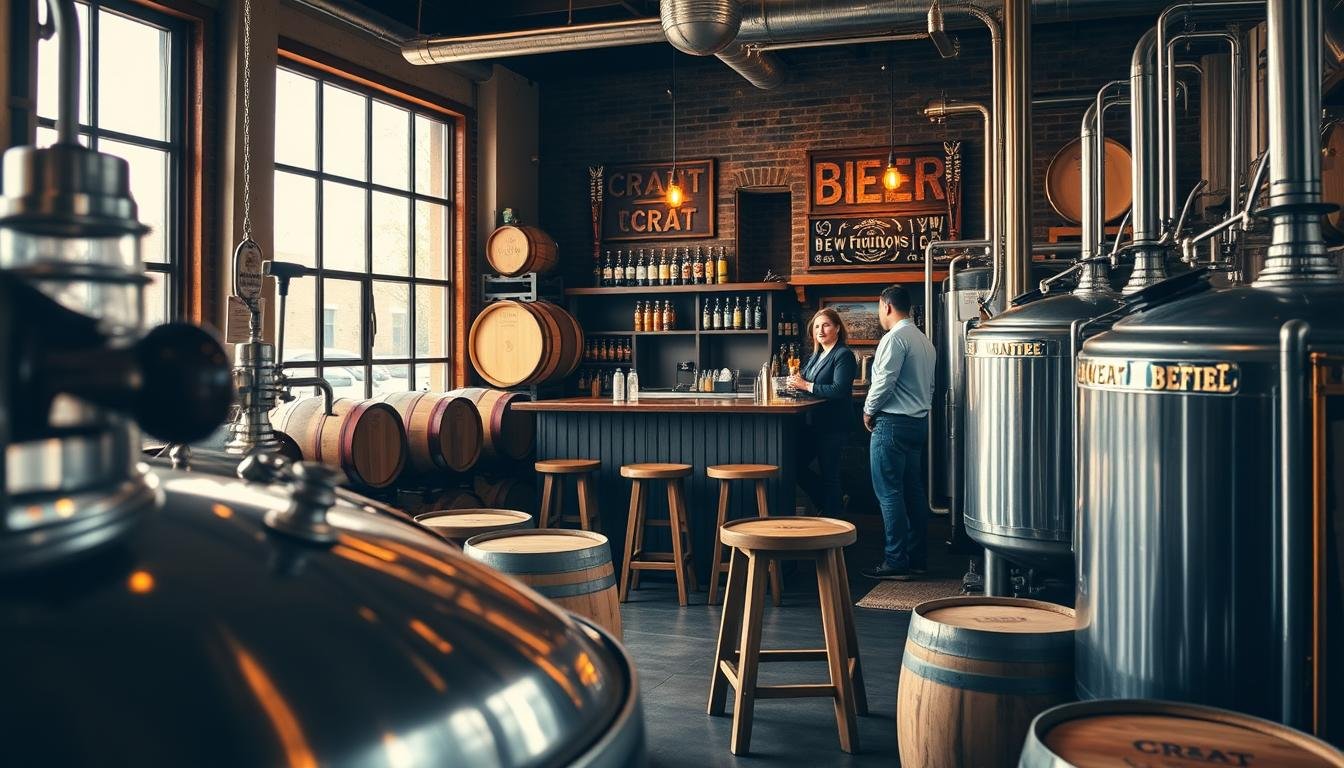
We open this guide by defining the category as it stands in the United States today. A microbrewery produces less 15,000 barrels annually and sells at least 75% of its beer off-site. Many still host tasting rooms that shape the visitor experience.
We contrast that model with large-scale makers such as Bud Light and Coors, who focus on mass output and lighter profiles. The craft movement, led early by New Albion and Anchor Brewing, pushed flavor, freshness, and storytelling into the mainstream.
Our aim is practical: we explain thresholds, sales rules, and the role of the Independent Craft Brewer Seal so people can judge quality and independence. We also note startup costs, commonly between $500,000 and $1.5 million, and why a smaller scale often means bolder recipes and a stronger local place presence.
The modern U.S. beer landscape and where microbreweries fit today
Today’s U.S. beer scene stretches from coast-to-coast giants to neighborhood brewhouses focused on flavor. We map production tiers so readers can spot where a given brewery sits on the spectrum.
Types of breweries at a glance
Macro breweries operate at scale, often producing beer in the million barrels range each year. They prize consistency and lighter flavor profiles for wide distribution.
Regional breweries produce between 15,000 and 6,000,000 barrels annually and bridge local taste with larger markets. Many microbreweries make less 15,000 barrels per year and sell at least 75% off-site while keeping small tasting rooms.
- Microbreweries: small production, strong focus on quality and fresh brews.
- Brewpubs: significant on-site food service and at least 25% sales on-site.
- Taprooms: sell 25% or more on-site with limited food options.
| Type | Annual production | On-site sales |
|---|---|---|
| Macro | Millions of barrels | Minimal |
| Regional | 15,000–6,000,000 barrels | Varies |
| Micro | Less 15,000 barrels | Often small tasting rooms; 75%+ off-site |
The Independent Craft Brewer Seal, introduced in 2017, helps us and consumers quickly gauge a brewery’s independence and craft emphasis. In practice, many microbreweries lean into seasonal styles, local ingredients, and evolving flavor to stand apart from mass-market brews.
What Is Microbrewery
To classify a small brewery, we look at annual output and where the beer is sold.
The formal definition and sales rule
A microbrewery produces 15,000 barrels or less per year and must sell at least 75% of its product off-site. This threshold sets a clear production ceiling and shapes licensing and distribution choices.
Many microbreweries still host tasting rooms. Those spaces let us sample fresh beer while the operation keeps its off-site sales ratio compliant.
Small scale vs nanobreweries
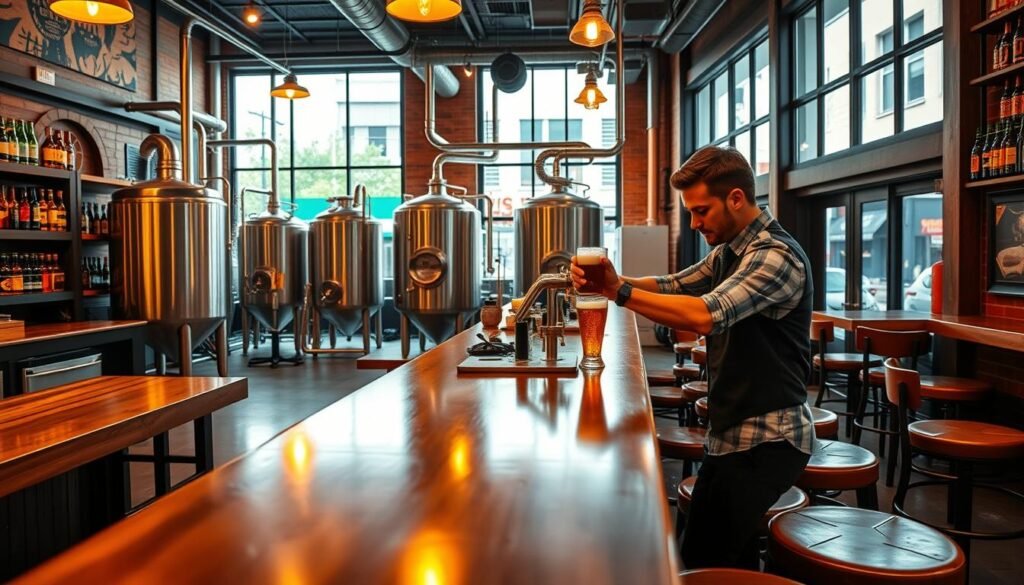
Nanobreweries typically run much lower volumes, often cited around 2,000 barrels per year, and may be staffed by one or two brewers. Small breweries use shorter production runs to test ideas and rotate seasonal releases quickly.
| Feature | Micro | Nano |
|---|---|---|
| Annual production | Up to 15,000 barrels | Often under 2,000 barrels |
| Typical staff | Small teams, multiple roles | One to two brewers |
| Release style | Curated tap lists, seasonal batches | Very limited runs, tasting-room only |
Why specialty beers thrive
Specialty craft beers flourish at small scale because brewers can control ingredients and quality closely. Short runs let us experiment with bold flavors and get fast feedback from local customers.
Production ceilings also shape availability. Many microbreweries rotate beers in short windows and reserve unique releases for the taproom to keep offerings fresh and local.
Microbrewery vs craft brewery vs macrobrewery vs brewpub and taproom
A clear view of scale, ownership, and sales mix reveals how breweries differ in flavor and in how they reach customers. We break the categories into practical cues so readers can spot a microbrewery craft brewery, a brewpub, a taproom, or a large producer at a glance.
Craft brewery criteria
Craft breweries are small and independent. Since 2010 the Brewers Association defines “small” up to 6,000,000 barrels per year. Independence matters: the Independent Craft Brewer Seal requires less than 25% ownership by a non-craft alcohol company.
We look for commitment to quality ingredients and creative recipes as a core sign of craft identity.
Macrobreweries and mass production
Macrobreweries operate at scale, often producing in the million barrels range. Their focus is consistency and lighter flavor profiles that travel well. Mass production favors uniformity over seasonal expression.
Brewpubs and taprooms
Brewpubs must sell 25% or more on-site and typically pair significant food service with the brewery. Taprooms also sell 25% or more on-site but usually offer limited food.
On-site mix helps signal whether the venue prioritizes dining, tasting, or retail distribution.
Regional brewery and independence
Regional breweries sit between small and large, producing roughly 15,000 to 6,000,000 barrels annually. Scale can grow while retaining craft credentials if ownership and ingredient standards stay intact.
| Category | Annual production | On-site sales |
|---|---|---|
| Microbrewery | Less 15,000 barrels per year | Often small tasting room; 75%+ off-site |
| Regional | 15,000–6,000,000 barrels | Varies |
| Macro | Millions of barrels | Minimal on-site |
Inside the brewhouse: ingredients, brewing techniques, and small-batch innovation
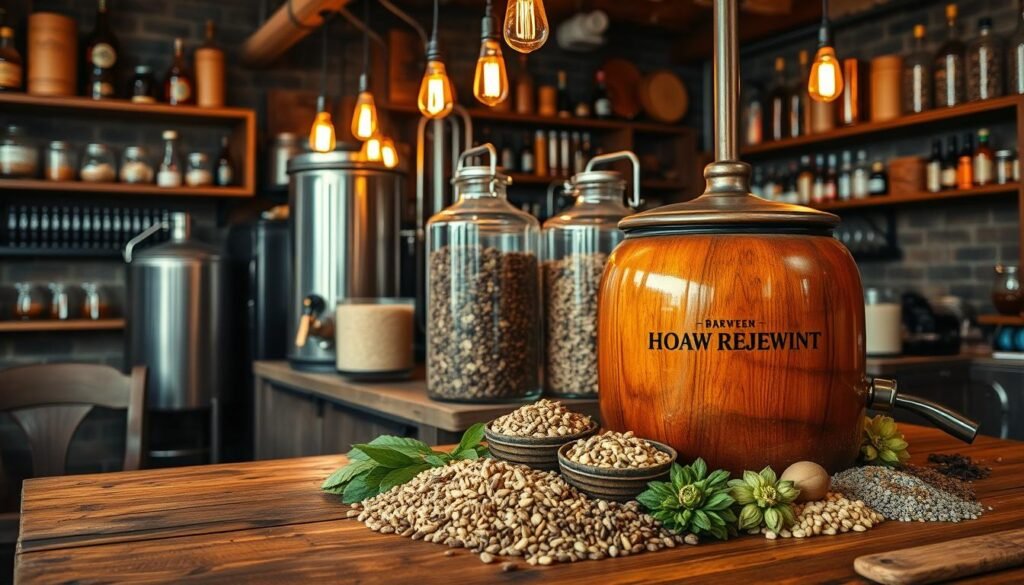
Inside every working brewhouse the choice of ingredients and methods shapes the final beer. We focus on how water, malt, hops, and yeast combine with creativity to produce distinct flavors.
Traditional foundations and creative adjuncts
Water quality sets the canvas. Malt and grain build body and color. Hops add bitterness, aroma, and freshness. Yeast drives fermentation and character.
Adjuncts—fruit, chocolate, spices—let us add unique notes without losing quality. Local ingredients often amplify freshness and complexity.
Small batches, big flavors
We use smaller production runs to test styles and fine-tune recipes quickly. That agility helps us refine seasonal beers and limited releases based on feedback.
Smaller production also lets teams balance repeatable processes with room for innovation and rapid adjustments.
Techniques that elevate taste, aroma, and experience
- Dry hopping for bright hop aroma.
- Barrel-aging for layered flavor and tannin influence.
- Mixed fermentation to add acidity and depth.
| Technique | Expected outcome | Best scale |
|---|---|---|
| Dry hopping | Enhanced hop aroma | Small to medium batches |
| Barrel-aging | Complex oak and funk | Limited releases |
| Controlled fermentation | Clean or wild flavor profiles | All production sizes |
We back sensory panels with lab checks to keep quality consistent while pushing innovation. That discipline—good sanitation, data-driven tweaks, and careful sourcing—lets craft breweries deliver rich flavors and reliable brews.
How microbreweries sell beer: distribution systems that shape availability
Distribution choices decide how breweries move fresh beer from kettles to customers. Our overview explains the main models so readers can see why certain releases reach stores while others stay local.
Three-tier distribution
The three-tier system routes product from brewery to wholesaler to retailer to consumer. Many states require this model and it shapes which beers appear in grocery aisles, bars, and restaurants.
Two-tier approach
In the two-tier model the brewer acts as wholesaler to retailers. That setup can speed feedback and give us tighter control over inventory and on-shelf timing.
Direct-to-consumer channels
Direct sales via taprooms, restaurants, and carry-outs boost freshness and the on-site experience. Many microbreweries keep tasting rooms to test small runs before wider release while still meeting off-site sales rules.
- Distribution choices affect production planning, packaging formats, and how often limited releases reach market.
- Regulations differ by state and influence routes to market and logistics.
- Barrels capacity planning and lead times shape release cadence and availability.
| Model | Primary benefit | Impact on availability |
|---|---|---|
| Three-tier | Wide market reach | Broader distribution, slower local updates |
| Two-tier | Faster feedback | Selective wholesale presence |
| Direct | Freshness and community experience | Limited runs, taproom-first releases |
Why microbreweries matter to people, place, and industry
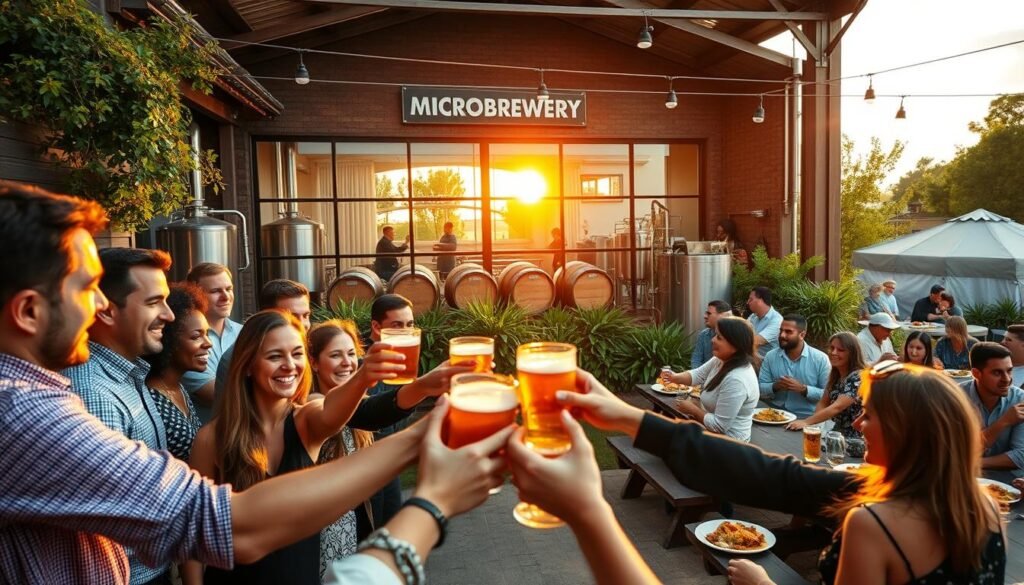
Local brewers bring distinctive flavors to market while anchoring community life. We see quality, economic benefit, and civic ties all come together around beer and place.
Quality and flavor: craft beers with character and innovation
We focus on fresh ingredients and tight processes so each brew shows quality and unique flavors. Short runs let us test recipes and drive innovation.
Community and culture: events, education, and local connections
We host tastings, tours, and events that teach brewing and invite people to gather. Those programs create regulars and deepen community ties.
Economic impact: tourism, local sourcing, and support for farmers
Microbreweries boost tourism and pair with nearby venues to form tasting trails. We buy from local farmers and keep more money in town.
Sustainability in practice: shorter supply chains and smarter systems
Shorter supply chains lower transport and let us conserve water and energy. Many of our operations track resource use and favor local sourcing.
- Independent Craft Brewer Seal builds consumer trust and supports industry growth.
- Charitable events and collaborations strengthen neighborhood bonds.
| Benefit | People | Place | Industry |
|---|---|---|---|
| Quality | Fresh brews, tastings | Local flavors, events | Recipe innovation |
| Economy | Jobs and education | Tourism, foot traffic | Local supply chains |
| Sustainability | Water and energy saving | Shorter transport | Partnerships with farmers |
In short, microbreweries connect people to place, support farmers, and drive industry change. That is what makes microbreweries meaningful in our neighborhoods.
Visiting and choosing microbreweries in the United States
Plan visits that let you taste regional character and meet the people behind the pints. A quick check for the Independent Craft Brewer Seal helps us spot independently owned craft brewery values. Launched in 2017, the seal covers more than 4,000 craft brewers and over 85% of U.S. craft beer volume by 2019.
What to look for and how to plan tastings
Check tap lists before you go for seasonal brews and specialty releases. Taprooms focus on beer-first experiences with limited food. Brewpubs pair beer with fuller menus.
- Ask staff about ingredients, serving temperatures, and process choices.
- Order sampling flights to compare styles and regional flavors.
- Check release calendars, hours, and event schedules to catch limited runs.
- Support breweries by buying beer to go, joining clubs, or following releases.
| Venue | Focus | Best for |
|---|---|---|
| Taproom | Fresh beer, limited food | Tasting-focused experience |
| Brewpub | Beer plus full menu | Meals and broader outings |
| Small-batch release | Seasonal or barrel-aged brews | Collectors and curious tasters |
Raising a glass to what’s next for microbreweries
The next wave of local breweries will blend tradition with fresh techniques to meet changing tastes.
We expect continued innovation in brewing and brewing techniques, with small-batch experiments shaping seasonal brews and new ingredients. Transparency in sourcing will grow as brewers fine-tune production to balance freshness and distribution.
Collaborations with farms and neighbors will yield beers that highlight place and ingredients. Smarter use of barrels, capacity planning, and data will let us iterate faster while keeping quality high across the year.
We invite you to seek out local craft breweries, support limited releases, and celebrate the creativity that makes microbreweries a resilient part of our communities.