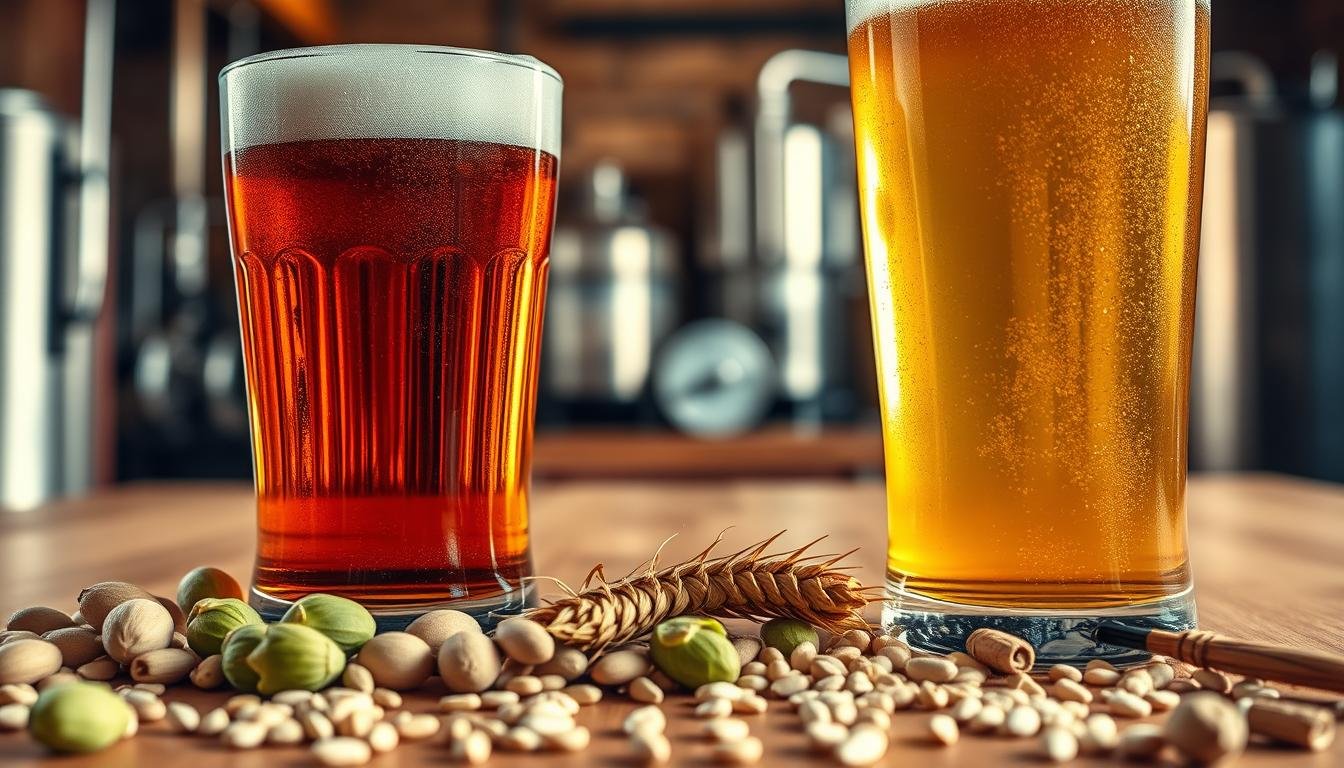
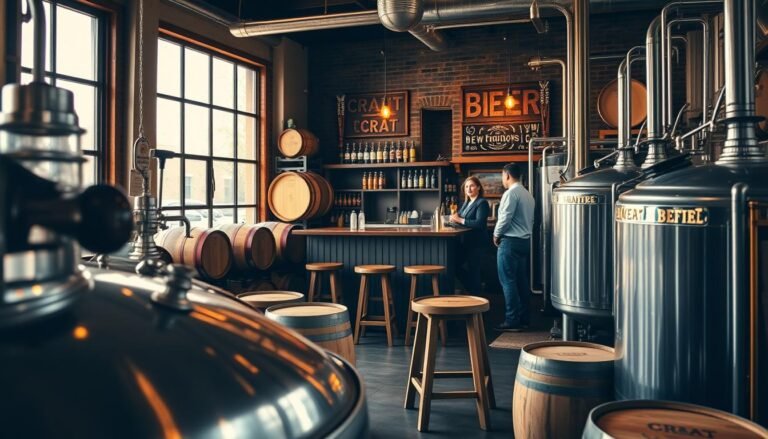
We start with one clear point: all beer falls into two families defined by fermentation and the yeast used, not by color or alcohol level. This rule helps us pick a pint with confidence in bars, at festivals, or when browsing craft beer lists.
Ales use top‑fermenting Saccharomyces cerevisiae at warmer temperatures and often finish faster. Lagers rely on bottom‑fermenting Saccharomyces pastorianus, colder storage, and more time to yield a cleaner, crisper lager beer profile.
Understanding this core process explains why some beers smell fruity while others taste bright and soft. We will show simple cues to recognize ales or lagers on tap and explain how yeast and fermentation shape flavor, body, and finish.
What We Mean by Ale and Lager: Yeast, Fermentation, and Character
Yeast behavior and fermentation conditions explain most of what we taste in a glass. Knowing the yeast used and the temperature range helps us predict aroma, mouthfeel, and finish.
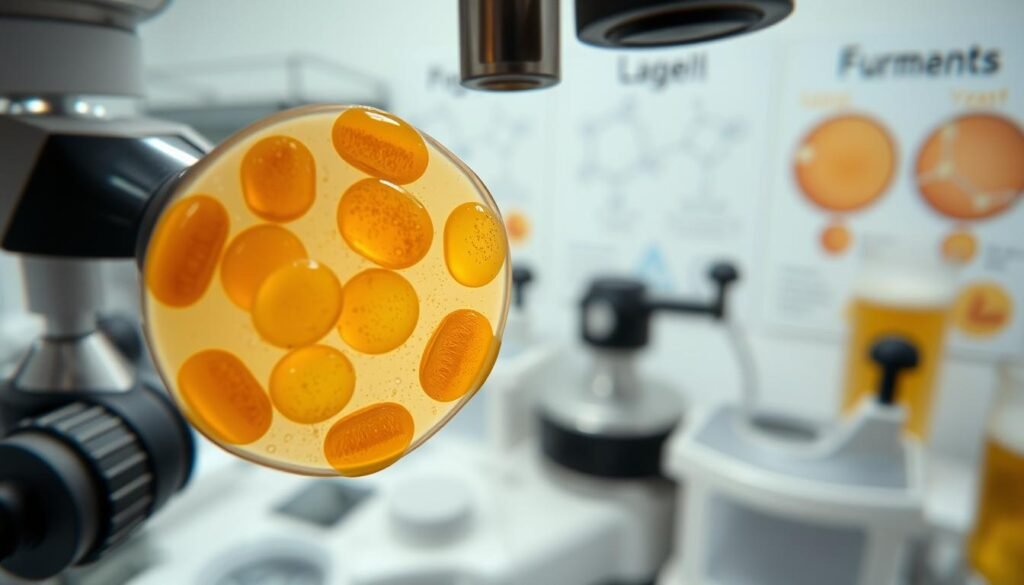
Ale yeast vs. lager yeast
We use Saccharomyces cerevisiae as a top‑fermenting workhorse that produces lively, fruit‑forward notes. Saccharomyces pastorianus is a bottom‑fermenting hybrid that yields cleaner, crisper profiles.
Top vs. bottom fermentation and temperatures
Top fermentations run warmer—roughly 60–75°F—so esters develop and make fruit and floral tones. Bottom fermentations sit cooler, about 42–55°F, which reduces byproducts and brightens the malt character.
Timeframes and flavor byproducts
Ales often finish faster; many brewers package some styles in about 14–18 days. Lagers need more time—commonly 21–28 days or several weeks longer—which smooths rough edges and limits ester formation.
- Strain selection changes yeast character from subtle to assertive.
- Temperature control is how brewers dial in consistency and clarity.
- Understanding process links chemistry to the flavor we expect.
| Feature |
Top‑fermenting |
Bottom‑fermenting |
| Yeast |
S. cerevisiae |
S. pastorianus |
| Temp Range |
60–75°F |
42–55°F |
| Typical Time |
14–18 days |
21–28+ days |
Difference Between Ale And Lager: A How‑To Breakdown
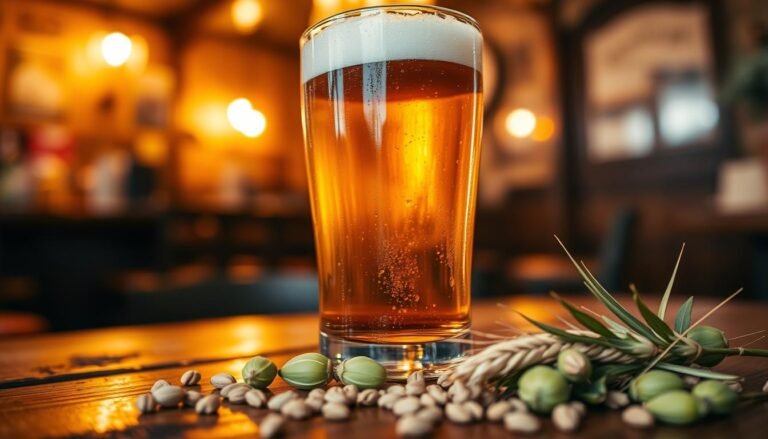
When you hold a glass, small clues in aroma and finish tell a lot about the beer’s roots.
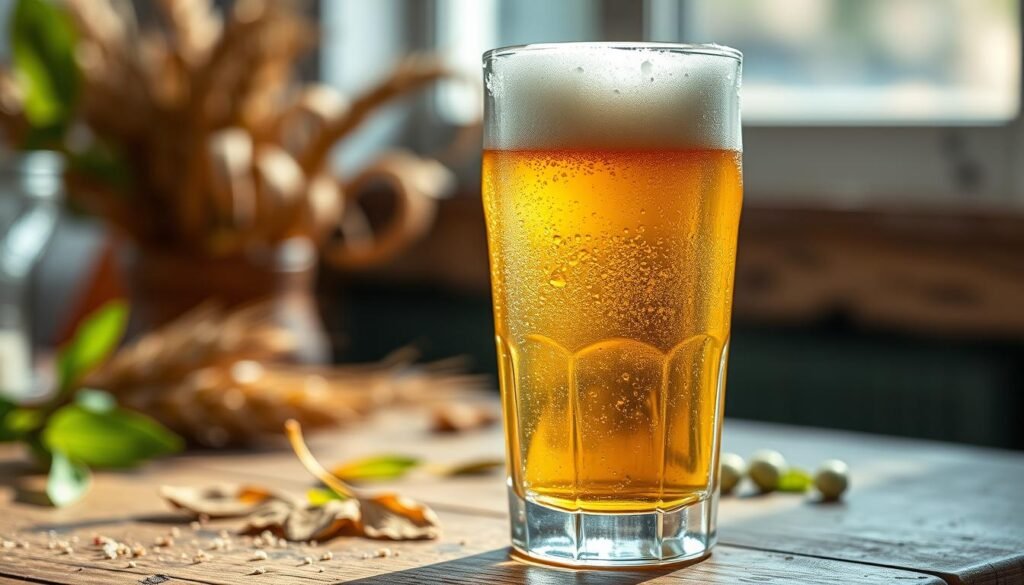
How to read aroma, flavor, and finish
If the nose gives pear, banana or rose‑like esters and the finish feels round, think ale. Warmer fermentations make those fruit notes stronger.
If the scent is subtle, the sip clean and the end crisp, think lager. Cooler conditioning reduces byproducts and brightens malt.
Choose by taste and occasion
Pick ales when you want bold hops and ester fruit—pale ale and india pale options fit that bill.
Pick lagers when you want clean malt and beer that pairs easily with food. Session choices suit long hangs; bolder options suit focused tastings.
| Cue |
Typical temps |
Serving tip |
| Aroma & flavor |
Warmer fermentations |
Serve slightly warmer to open aroma |
| Finish & body |
Cool conditioning |
Keep well‑chilled but not icy |
| ABV examples |
Pale bock ~6.8%, Baltic porter ~7.8% |
Check label for alcohol and body |
Try hybrids
Kolsch and California Common bridge traits: gentle fruit with a crisp frame. We recommend small pours side by side to compare yeast character and taste shifts as the glass warms.
Styles You’ll See on Tap in the United States
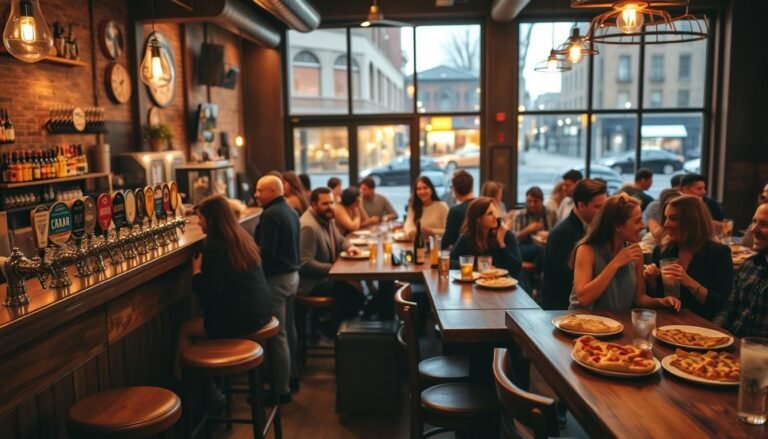
Tap lists in the U.S. tend to mix familiar pours with surprising hybrids that show how yeast and malt shape flavor.
Ales: pale ale, IPA, amber, brown ale, and stout
On most taps we find pale ale and india pale options that push hop aroma and bitterness while keeping a solid malt backbone.
Amber and brown ale lean toward caramel, toffee, and nutty malt notes. Stout brings roasted barley with coffee and chocolate tones.
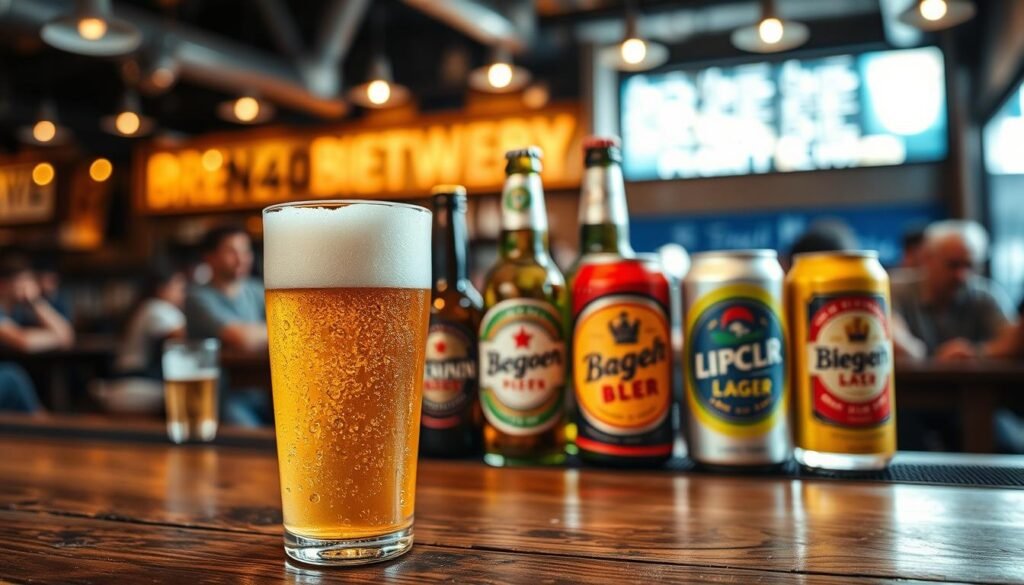
Lagers: pilsner, helles, and bock
Pilsner is pale to gold, often finished with late Saaz additions for a spicy hop aroma and crisp bitterness.
Helles favors soft, bread‑like malt with low but steady bitterness. Bock is malt‑forward, usually 6–8% alcohol, and ranges from light copper to brown.
Hybrids and crossovers
Kölsch blends ale fermentation with cold conditioning for a faint fruit lift and clean finish. California Common uses lager yeast at warmer fermentation for a toasty balance.
Baltic porter pairs roast richness with cold‑fermented polish.
- Pale ale: balanced hops and malt.
- IPA: hop-forward, wide ABV range.
- Pilsner: spicy Saaz hops with a clean finish.
- Bock: richer malt, higher alcohol cue.
| Style |
Key trait |
Typical cue |
| Pale ale / IPA |
Hop aroma |
Bright citrus/tropical notes |
| Helles / Pilsner |
Malt vs hop balance |
Soft bread malt / Saaz spice |
| Bock / Brown ale |
Malt depth |
Caramel, toffee, roast |
Putting It Into Practice: How We Pick the Right Beer, Sip by Sip
A quick plan helps us choose — decide the flavor character we want now, then scan the list for styles and ABV. This small intent closes the gap between options and the actual taste we seek.
We pick a small pour and use aroma first: a clear fruit or spice cue often points to ale fermentation, while a restrained, crisp scent suggests lager. Taste for finish—rounded versus snappy—to confirm the call.
Mind serving temperatures and freshness. Lagers often benefit from colder service and more time in the cellars; ales usually rotate faster in a bar’s lineup. Brewers’ schedules shape what’s on tap, so check dates when you can.
Try hybrids like Kölsch to map how ale lager blends behave. Over time we jot quick notes on yeast cues, malt, and finish so we find favorite craft types faster and order with confidence.
FAQ
What do we mean by ale and lager: how do yeast and fermentation define them?
We refer to ales and lagers by the yeast strains and fermentation method used. Ales use Saccharomyces cerevisiae and ferment at warmer temperatures, producing fruity esters and more pronounced flavors. Lagers use Saccharomyces pastorianus, ferment cooler and sit longer, yielding cleaner, crisper profiles. Those core differences shape aroma, mouthfeel, and overall character.
How do ale yeast and lager yeast differ biologically?
Ale yeast (S. cerevisiae) tends to ferment at 60–75°F, working quickly and creating esters and phenols that add fruit and spice notes. Lager yeast (S. pastorianus) ferments at about 42–55°F and metabolizes differently, producing fewer esters and subtler sulfur or diacetyl traces that dissipate during extended cold conditioning.
What’s the impact of top versus bottom fermentation and the typical temperature ranges?
Top-fermenting yeasts rise and form a krausen on warm fermentation, accelerating flavor development. Bottom-fermenting yeasts settle and work slowly at cool temperatures, encouraging clean malt expression. Warm ranges (60–75°F) favor ales; cool ranges (42–55°F) favor lagers, and those ranges directly influence aroma and taste.
How do fermentation timeframes change flavour outcomes?
Faster fermentations for ales lock in esters and hop-derived notes, giving bolder, fruit-forward beers. Longer lagering smooths harsh compounds and produces a crisper finish. Brewers manipulate timing to emphasize either hop character and fruity notes or a clean, malt-forward palate.
How can we tell ales and lagers apart in the glass by aroma, flavor, and finish?
Ales often show fruity esters, resinous or citrus hop aromas, and a fuller, sometimes sweeter body with lingering finish. Lagers present subdued hop aroma, cleaner maltiness, a brighter carbonation, and a snappier, drier finish. Color and clarity can vary, but aroma and palate give the clearest cues.
How should taste preference guide our choice between styles?
If we favor fruity esters, bold hop bitterness, or experimental craft beers—pale ale and IPA are good starts. For clean, balanced drinking that highlights malt nuance and crispness—pilsners, helles, and many European lagers fit best. Consider bitterness, maltiness, and aroma weight when choosing.
How do we pick beers for occasions like sessions, craft flights, or food pairings?
For long, low-ABV sessions we choose lighter ales or lagers with moderate bitterness. For tasting flights, include contrast—an IPA, amber ale, pilsner, and helles. For food, match weight: delicate seafood or salads pair with crisp lagers; grilled or spiced dishes stand up to hoppy ales and richer ambers or stouts.
Are ales always stronger in alcohol and heavier in body than lagers?
Not necessarily. ABV and body depend on recipe, not category alone. We find many light pilsners at moderate ABV and robust ales with low ABV. Brewers use malt bill, mash temperature, and fermentation to control alcohol and mouthfeel across both families.
What serving and storage tips help preserve flavor and freshness?
Serve ales slightly warmer (about 50–55°F for many) to release volatile aromas; serve lagers colder (38–45°F) for crispness. Store both away from light and heat; drink fresher hop-forward ales within weeks for best aroma. Longer cold conditioning suits many lagers for smoother flavor.
Can you give a quick style map from pale ale and IPA to pilsner, helles, and bock?
Pale ales and IPAs showcase hop-forward aromas and medium bodies; amber and brown ales lean maltier. Pilsner and helles are crisp lagers with light-to-medium malt presence. Bock and dunkel lagers sit heavier and malt-forward with richer color and sweetness. This map helps when we choose by flavor emphasis.
What common ale styles do we see on tap in the U.S. and what character do they show?
Typical U.S. taps include pale ale, India Pale Ale (IPA), amber ale, brown ale, and stout. Pale ales and IPAs highlight hops and bitterness; ambers balance caramel malt and hops; browns showcase toasted malt and nutty notes; stouts bring roasty, chocolate, and coffee flavors.
What lager styles are common and what makes them distinct?
Popular lagers include pilsner, helles, and bock. Pilsners are dry, bitter, and floral or spicy with Saaz or noble-type hop character. Helles are softer, malty, and mildly bready. Bocks are richer, higher in malt sweetness, and often darker with toffee notes due to longer lagering.
What about hybrids and crossovers like Kölsch, California Common, and Baltic porter?
Hybrids blur lines: Kölsch ferments with ale yeast but conditions cool for a crisp finish; California Common (Steam) uses lager yeast at warmer temps, creating unique estery-hop balance; Baltic porter is a lagered porter, combining rich roast and lager smoothness. Brewers experiment to create fresh profiles.
How do hops and malt choices influence the final beer more than just the yeast?
Hops control bitterness, aroma, and perceived dryness, while malt shapes color, body, and sweetness. Yeast layers on esters and mouthfeel. Together they form the recipe’s signature. We look at malt bill and hop schedule to predict flavor as much as yeast selection.
How do temperature, strain choice, and brew process affect what we taste?
Warmer fermentation and expressive strains yield fruity, spicy, or phenolic notes. Cooler processes favor clean, crisp traits. Mash temperatures and boil times influence sugar profile and body. Adjusting those variables lets us tailor aroma, finish, and balance for the intended style.
Where should we start if we want to explore craft beers and learn these differences quickly?
Start with a curated tasting flight that contrasts a pale ale, IPA, pilsner, helles, and amber. Note aroma, bitterness, body, and finish. Talk with bartenders or brewery staff about yeast, hops, and malt. Sampling side-by-side speeds recognition of defining traits and helps refine our palate.