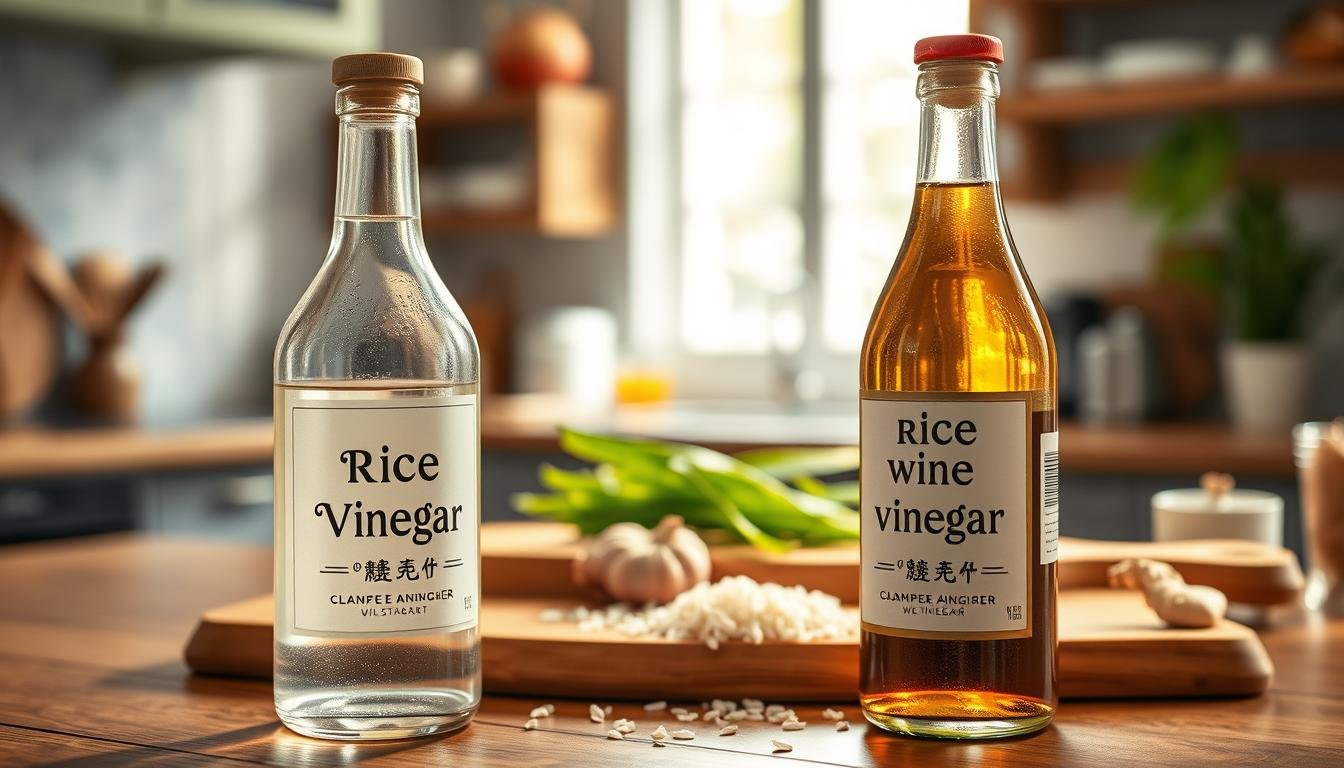
Is Rice Vinegar The Same As Rice Wine Vinegar
We open this article to settle a common pantry question for U.S. home cooks: are these two condiments identical? We define each in plain terms and set expectations for how to use them in everyday and Japanese cooking.
Both come from fermented grain, but one is a mild, slightly sweet acid used for sushi, dressings, pickles, and brightening sauces. The other is an alcoholic product like sake or mirin that adds sweetness, umami, and a touch of alcohol to braises and glazes.
We explain why some U.S. labels say “rice wine vinegar” even though the bottle holds a true vinegar. We also preview nutrition and swap tips, and note why choosing correctly avoids recipe mistakes and lifts flavor.
Rice wine vs. rice vinegar at a glance: how they’re made and why that matters
Production explains cooking behavior. One product keeps alcohol and savory depth. The other becomes a mild acid that brightens food.
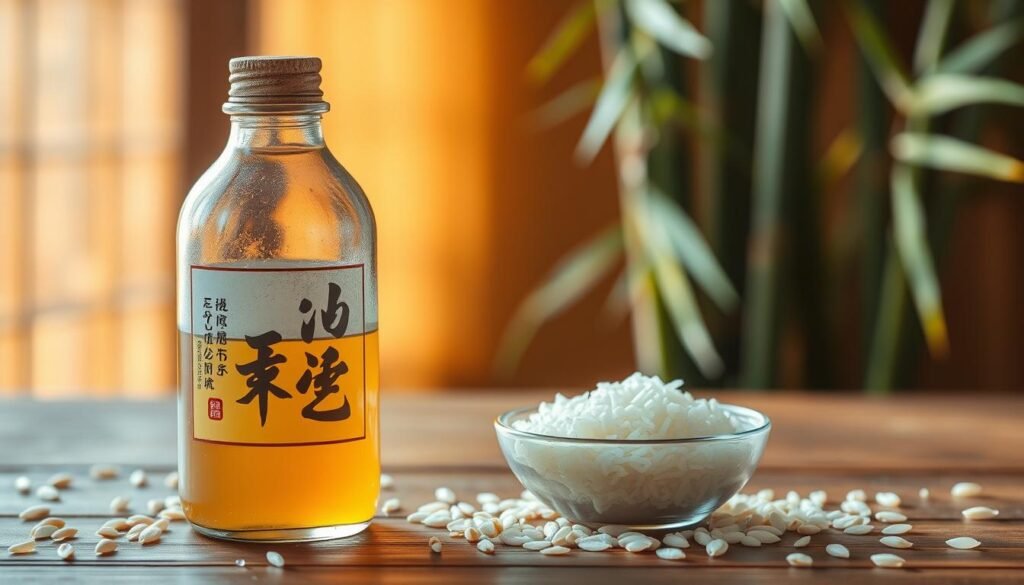
Molds such as Aspergillus oryzae break starch into sugar. Yeast, notably Saccharomyces cerevisiae, then ferments those sugars into alcohol. This method creates familiar varieties like sake, mirin, and Chinese Shaoxing.
How acid is produced
Acetobacters—often called the Mother of Vinegar—oxidize that alcohol into acetic acid. That second fermentation yields a gently flavored vinegar made from a prior alcoholic base and removes drinkable alcohol.
- Rice wine retains alcohol and umami; it adds body during deglazing and braising.
- Rice vinegar supplies acid and balance; it is softer than distilled white vinegar for dressings and sushi.
- Labels that say “rice wine vinegar” follow a wine vinegar category but refer to vinegar, not a drink.
Knowing these steps helps us choose when a recipe needs alcohol for complexity or acid for balance.
Taste, nutrition, and kitchen roles: choosing the right bottle for cooking
Choosing correctly depends on understanding what each bottle brings to a dish. We compare how sweetness, umami, and acidity change a recipe so we grab the right ingredient at the stove.
Flavor profiles
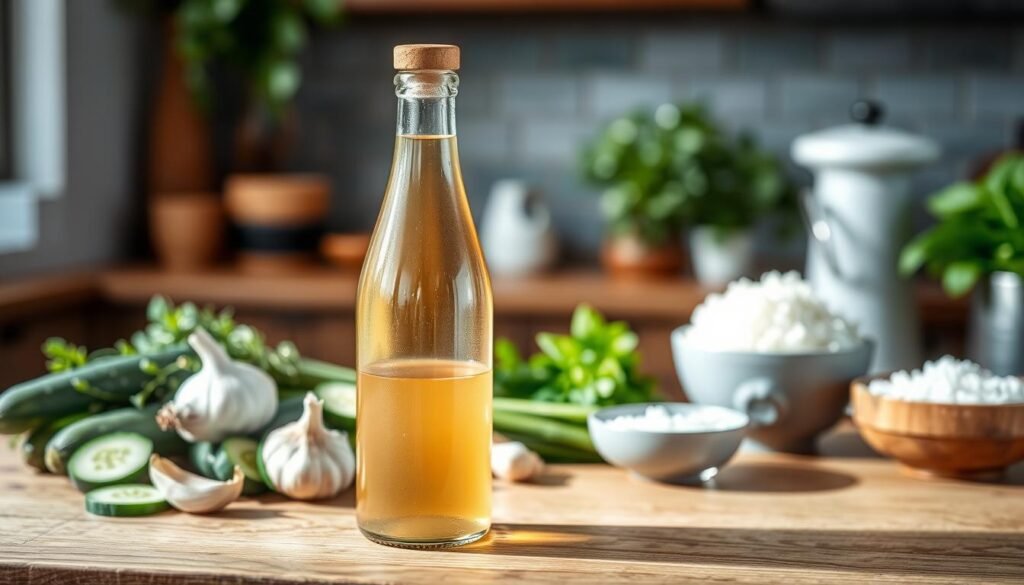
rice wine delivers sweetness, savory umami, and a touch of alcohol that deepens sauces and marinades. It helps deglaze pans and carries aromatics into a dish.
rice vinegar adds mild acidity with a slightly sweet finish. Its lower acetic acid feels rounder than harsher vinegars, so it brightens salads, sushi, and light sauces without overpowering.
Nutrition basics
A typical 5 oz serving of rice wine has about 201 calories and 7.5 g carbs, with no sugar or sodium. One tablespoon of seasoned rice vinegar can contain roughly 30 calories, 8 g carbs, 8 g sugar, and about 710 mg sodium. Unseasoned rice vinegar is essentially calorie- and sugar-free.
Signature uses and popular varieties
- Use rice vinegar for sushi rice, dressings, pickles, and delicate sauces.
- Use rice wine—sake, mirin, Shaoxing—for glazes, braises, and marinades where body and aroma matter.
- Choose light vinegars for clean flavors; darker styles add color and more robust notes to hearty dishes.
| Item | Typical use | Key nutrition notes | Common varieties |
|---|---|---|---|
| rice wine | Marinades, glazes, deglazing | ~201 kcal per 5 oz; carbs ~7.5 g; 0 g sugar | sake, mirin, Shaoxing |
| rice vinegar (seasoned) | Sushi rice, dressings, pickles | ~30 kcal per tbsp; 8 g sugar; high sodium (~710 mg) | light, seasoned |
| rice vinegar (unseasoned) | Control sugar/salt in recipes | 0 kcal; 0 g sugar; 0 mg sodium | white, pale styles |
We recommend unseasoned rice vinegar when we want control over sugar and salt. Taste as you cook and adjust sweetness or acid to match your ingredients and desired outcome.
Is Rice Vinegar The Same As Rice Wine Vinegar
Many pantry labels blur lines, so we clarify what each bottle actually holds. In short, a bottle labeled rice wine vinegar is the same product sold as rice vinegar. The naming follows wine vinegar styles and does not mean the bottle is for drinking.
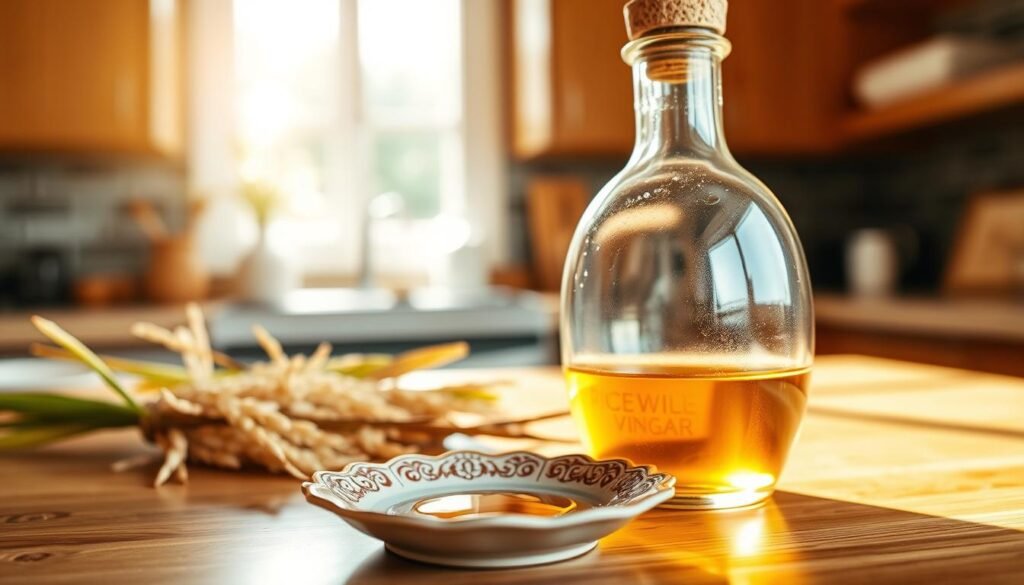
Naming clarity: rice vinegar and rice wine vinegar are the same product
Both labels refer to an acidic seasoning with a mild, slightly sweet flavor. Seasoned versions include added sugar and salt, which makes them handy for sushi rice and dressings.
Unseasoned types give us full control over sugar and salt when a recipe needs precise balance.
Common mix-ups: rice wine, mirin, and sake explained
Rice wine usually means alcoholic products such as sake, used for drinking and cooking. Mirin is a sweeter cooking wine with lower alcohol and extra sweetness for glazes and sauces.
Do not substitute vinegar when a recipe calls for rice wine; the acid and flavor differ and will change results. Check labels for the word “seasoned” and review ingredients before you cook.
| Item | Primary use | Alcohol | Sweetness |
|---|---|---|---|
| rice vinegar | Sushi rice, dressings | No | Low (seasoned adds sugar) |
| rice wine (sake) | Drinking, deglazing | Yes | Minimal |
| mirin | Glazes, sauces | Low | High |
Interchangeability and smart swaps for recipes
When a recipe calls for one bottle and our pantry holds the other, smart swaps keep food balanced and tasty.
When not to substitute
We avoid swapping rice vinegar for rice wine in marinades and sauces. Acid cannot mimic alcohol-driven aroma or umami. That mismatch can flatten complex braises and marinades.
Best substitutes for rice vinegar
Use apple cider vinegar, sherry vinegar, or white wine vinegar 1:1. Champagne-style or white wine vinegars work for seafood and dressings.
For citrus, double the lemon or lime juice and add a pinch of sugar to match gentle sweetness.
Best substitutes for rice wine
Dry sherry or dry white wine work 1:1. For Shaoxing-like depth, add a pinch of sugar to sherry. Gin can stand in at 1/2–3/4 volume; add gradually and taste.
For a nonalcoholic option, use white grape juice plus a squeeze of lemon to mimic brightness without drinking alcohol.
| Missing item | Best swap | Ratio | Notes |
|---|---|---|---|
| rice vinegar | apple cider / white wine vinegar | 1:1 | Reduce salt if using seasoned bottles |
| vinegar rice (seasoned) | champagne vinegar + pinch sugar | 1:1 | Good for sushi and dressings |
| rice wine | dry sherry / dry white wine | 1:1 | Add sugar for Shaoxing profile |
| rice wine (no alcohol) | white grape juice + lemon | 1:1 (juice) + squeeze | Bright, nonalcoholic substitute |
We recommend keeping apple cider and dry sherry on hand. Taste and adjust acid, sugar, and salt as you finish each dish to protect texture and balance.
Buying guide, types, and storage in the United States
Buying starts with label reading. We check ingredient panels to spot added sugars and salt so a bottle fits our health and taste goals.
Seasoned versus unseasoned: what to expect
Seasoned bottles include sugar and salt. That makes them handy for sushi and quick dressings but adds about 30 kcal, 8 g sugars, and ~710 mg sodium per tablespoon.
Unseasoned options have little to no calories or carbs. We prefer them when we want full control over salt and sugars.
Color and style: how hue changes flavor
Pale varieties give a clean, mild acid for light dressings. Darker types—black or red—offer deeper color and richer flavor for braises and marinades.
Where to buy and how to store
- Find both rice vinegar and rice wine in Asian markets, the international aisle, and online retailers.
- For rice wine choices, start with sake, mirin, and Shaoxing; variety and process shape aroma and body.
- Keep unopened bottles in a cool, dark pantry; refrigerate after opening—brands like Kikkoman recommend chilled storage.
| Item | When to use | Storage after opening |
|---|---|---|
| Unseasoned pale vinegar | Dressings, sushi, low-salt cooking | Refrigerate |
| Seasoned vinegar | Quick sushi rice, ready dressings | Refrigerate for best freshness |
| Sake / mirin / Shaoxing | Deglazing, glazes, braises | Cool pantry or fridge per label |
What we recommend for present-day home cooking
For everyday cooking, a small, well-chosen pantry covers most needs.
We keep one unseasoned rice vinegar for sushi, dressings, and quick pickles. For alcohol-based flavor we store a versatile rice wine bottle such as Shaoxing or sake and add mirin when we want sweetness and shine in glazes and sauces. If we need swaps, apple cider plus a pinch of sugar mimics gentle sweetness; dry sherry or dry white wine stands in for cooking wine with minimal fuss.
Store opened bottles chilled for best flavor. Our checklist: unseasoned rice, Shaoxing or sake, mirin, cider and dry sherry backups. This small set covers most recipes and keeps sauces and marinades balanced.