What Does Ale Taste Like
We open with a clear map for readers new to craft beer. Our goal is to place ale in the wider beer world so readers can spot key differences at a glance.
Ale often ferments warm, around 68–72°F, which helps yeast create fruity esters and layered aromas. That warm fermentation contrasts with lager’s cooler temperatures and its crisper, cleaner profile.
Flavors in this type of beer can run from citrus and pear to herbal and floral notes. Strength and style vary widely, so some ales feel soft and balanced while others hit bold, hop-forward notes.
We will walk through sensory descriptors, brewing factors, and style guides so you can judge aroma, body, and finish with confidence. Along the way, we explain terms like bitterness, malt sweetness, mouthfeel, and ester-driven fruitiness.
How We Describe Ale’s Flavor for First-Time Tasters
We teach beginners to translate aroma and flavor into everyday descriptors they can trust. Start by sniffing the glass to pick up citrus, pear, banana, pine, or floral aromas. Note any spice or caramel hints before you sip.
Then taste in stages: first impression, mid‑palate, and finish. Record bitterness, sweetness, and mouthfeel. This stepwise approach builds a consistent flavor profile and helps you compare beers later.
- Use plain descriptors: citrus, stone fruit, banana, clove, caramel, chocolate, coffee, pine.
- Link hop expressions—citrus, tropical, floral, pine—to what you smell and taste.
- Look for malt-driven notes like biscuit, toast, toffee that shape body and balance.
- Spot estery fruitiness and gentle spice in certain Belgian or wheat styles.
We recommend keeping a short journal of aroma, first impression, mid‑palate, and finish. Hops anchor bitterness and scent, but balance defines how pleasant a beer feels.
| Sense | Common Cues | What It Tells You |
|---|---|---|
| Aroma | Citrus, floral, estery pear | Hop character, yeast esters, adjuncts |
| Mid‑palate | Caramel, biscuit, toffee | Malt body, sweetness, mouthfeel |
| Finish | Dry spice, pine, lingering roast | Bitterness balance and aftertaste |
From Yeast to Glass: How the Brewing Process Shapes Ale’s Taste
We trace how each stage from mash to tank shapes the flavors you notice in your glass. Small shifts in the brewing process steer aroma, bitterness, and body.
Top‑fermenting yeast and warm fermentation temperatures
We brew using top‑fermenting Saccharomyces cerevisiae at about 68–72°F. Warmer temperatures let yeast produce more esters and fruity aromatics.
Esters and aromatics
Esters from the fermentation process create pear, apple, banana, or light spice notes. By contrast, bottom‑fermenting yeast used for lager at 45–55°F limits esters for a cleaner profile.
Malt, hops, and body
Malt sugars feed yeast during production, and hops balance sweetness with bitterness. That mix defines whether a beer feels lean and snappy or round and silky.
Alcohol and fermentation time
Ales often finish faster than lagers, so fermentation time and temperature shape final strength and warmth. Higher alcohol can raise perceived intensity if not balanced by malt or hops.

| Factor | Ale (top‑fermenting) | Lager (bottom‑fermenting) |
|---|---|---|
| Typical temperatures | 68–72°F | 45–55°F |
| Fermentation effect | More esters, fruity/spicy aromatics | Fewer esters, cleaner finish |
| Time in tank | Few weeks | 6–8 weeks |
| Typical body and strength | Broader ABV range, varied body | Cleaner, crisper body |
- Small temperature changes in the fermentation process make clear flavor shifts.
- We pick yeast strain, malt bill, and hops timing to control aroma, bitterness, and finish.
What Does Ale Taste Like? Flavor Profiles Across Popular Styles
We map popular style families so you can spot the signature flavors that matter. Below we highlight hallmark profiles and serving context for each common type.
Pale ale and American pale ale
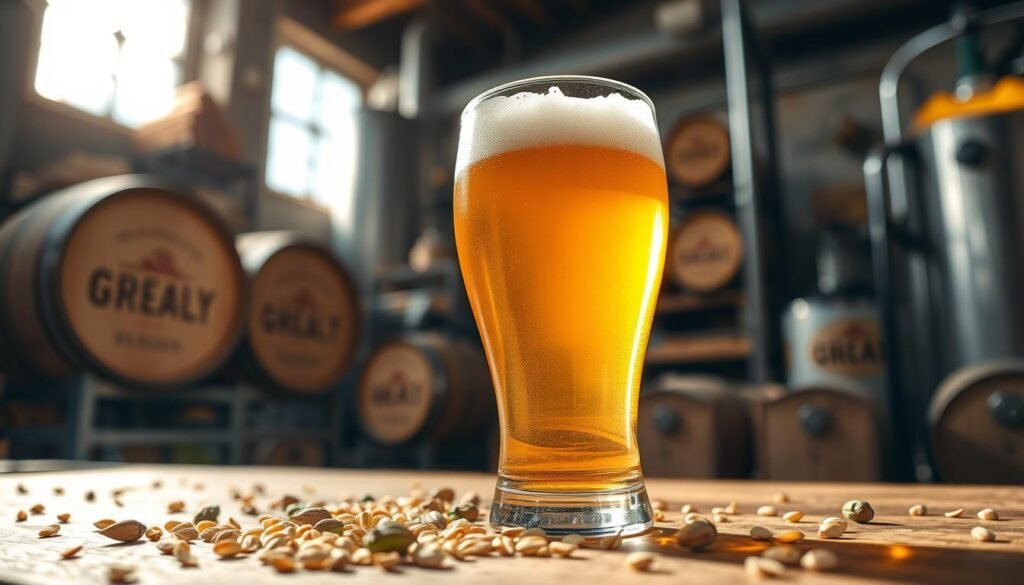
American pale ale often shows bright citrus and pine from modern hops. Expect moderate bitterness and a medium, balanced body. This type works well with food and everyday drinking.
India pale ale and New England IPA
India pale ale covers a spectrum. West Coast versions are resinous and dry. New England IPA feels juicy and tropical, with low perceived bitterness thanks to late hopping.
Belgian styles
Belgian beers lean on spice and floral notes with lighter body and gentle bitterness. Yeast-driven aromas create complex fruity florals that invite sipping.
Porter, stout, and strong dark ales
Porters and stouts deliver roasted malt, coffee, and chocolate with a silky finish. Imperial versions raise alcohol content and intensity. Scotch and strong dark types favor caramelized malt and warming richness.
Sour and mixed-culture beers
Sour styles range from bright, lemony kettle sours to vinous lambics. They tend to be tart, refreshing, and often fruit-forward, offering a wide flavor range.
| Style | Key flavors | Typical bitterness | Alcohol content |
|---|---|---|---|
| Pale ale | Citrus, pine | Moderate | 4.5–6.0% |
| India pale | Tropical, resin | High to medium | 5.5–8.0% |
| Stout/Porter | Coffee, chocolate | Low to medium | 4.0–12.0% |
| Sour | Tart, fruity | Low | 3.0–7.0% |
Ale vs. Lager Taste: The Fermentation Difference You Can Sense
We invite you to compare two clear paths in beer through smell and sip. One route favors fruity esters and spice, while the other favors clean, crisp finishes that refresh the palate.
Flavor and aroma contrasts: fruity esters vs. crisp finishes
Warm fermentation brings out esters that smell like pear, citrus, or light spice. These notes give an expressive aroma and fuller mid‑palate presence.
By contrast, cold conditioning reduces esters and yields a snappier, crisper finish. Many lagers feel streamlined and easy to drink.

Yeast behavior and temperatures: top‑fermenting vs. bottom‑fermenting
Top‑fermenting yeast works warmer (about 68–72°F) and produces more aromatic compounds. Bottom‑fermenting yeast performs at 45–55°F and keeps profiles cleaner.
The fermentation process and temperature guide ester production, which is the core difference you can sense between lager ale and ale lager examples.
- We note that many lagers land around 4–6% ABV and feel lean and bright.
- Ales span a wide alcohol content range and often present bolder, fruitier character.
- Yeast choice and handling shape aroma, mouthfeel, and aftertaste more than any single ingredient.
| Factor | Warm (top‑fermenting) | Cold (bottom‑fermenting) |
|---|---|---|
| Yeast | Top‑fermenting yeast, expressive esters | Bottom‑fermenting yeast, subtle esters |
| Temperatures | 68–72°F | 45–55°F |
| Typical beer feel | Fruity, round, aromatic | Clean, crisp, refreshing |
Serving Temperature, Aromas, and Pairings That Elevate Ale
We explain practical steps to unlock aromas and balance flavor before you pour. Small changes in service reveal different notes and make tasting clearer.
Temperature tips to unlock esters and hop aromatics
Pale ales and American pale ales drink best around 45–55°F. That range keeps hop oils fresh while letting subtle esters show.
Stouts and imperial stouts often shine warmer, about 50–55°F, where roasted and chocolate notes open up. NEIPAs benefit from slightly cooler service than stouts to preserve hop aromatics without muting flavor.
Food matches for hop-forward, malty, and sour styles
Match intensity: bold beers go with bold dishes, lighter beers with delicate plates. This keeps flavors balanced.
- Hop-forward and NEIPA: fried foods, spicy dishes, sharp cheddar.
- Malt-rich porters and stouts: roasted meats, grilled lamb, aged cheese.
- Sour and mixed-culture: salads, seafood, fruit-based desserts.
- Glassware cues: tulip for aromatic pale ales; non-iced pint for stouts to let roast notes breathe.
| Service | Temp (°F) | Why it helps |
|---|---|---|
| Pale/APA | 45–55 | Highlights hop and citrus notes |
| NEIPA | 45–50 | Preserves hop aroma, keeps mouthfeel soft |
| Stout/Imperial | 50–55 | Opens roast, chocolate, and caramel notes |
Before sipping, give the glass a short swirl and a gentle sniff. We find this reveals citrus, tropical, roast, or spice notes so you can judge taste with confidence. Lager pairings differ slightly because of cleaner profiles, but the same intensity principle guides both beer and lagers.
Choosing Your First Ale: A Guided Path to the Flavor Profile You’ll Love
We offer a clear path to pick a first beer that fits your flavor preferences and plans.
Start with a balanced American pale if you want citrus and pine without harsh bitterness. Move to an India pale for bigger hop impact, or try NEIPA for a juicy, softer mouthfeel.
Choose Belgian blond or saison for spice and florals. Pick porter, stout, or Scotch styles when roast, chocolate, and rich malt appeal. If you prefer clean finishes, compare a lager option side-by-side to feel the fermentation difference created by yeast and esters.
Read menus for style name and ABV, pick serving temp, and sample flights to compare production choices. In short: pick a style, note alcohol and key flavor cues, set the right temp, and enjoy discovering which ale profiles suit you best.