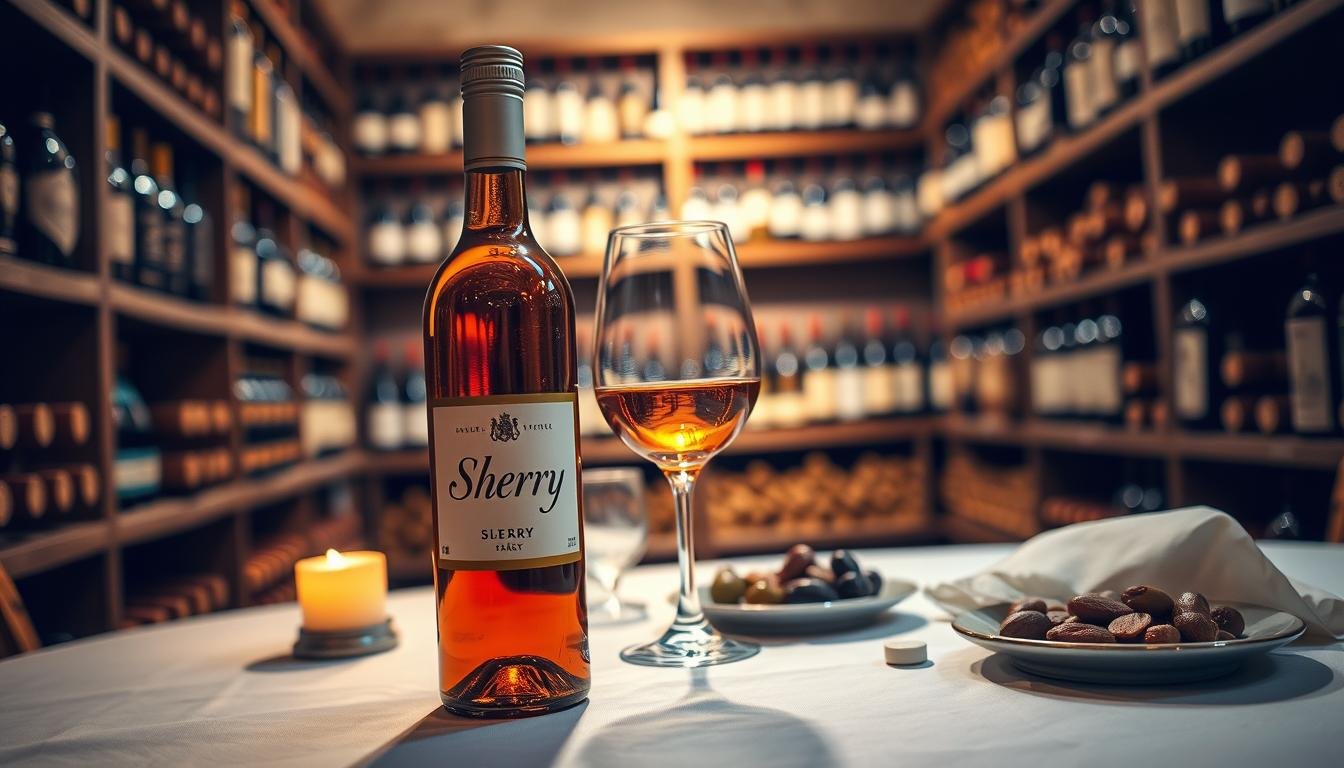
What Is Sherry Wine
We introduce a beginner’s guide that explains a signature fortified wine from southern Spain and why it matters to home cooks and restaurateurs.
Our focus is clear: this product comes from the DO Jerez‑Xérès‑Sherry and Manzanilla de Sanlúcar. The area includes Jerez de la Frontera, Sanlúcar, El Puerto, and newer zones added in 2022.
The process is distinct. Grapes are fortified to roughly 15–22% ABV, aged in solera systems, and blended to create stable, complex results.
That craft yields a wide range of styles, from bone‑dry finos and manzanillas to sweet Pedro Ximénez, with Amontillado and Oloroso in between.
We’ll guide you through grapes, flor, air contact, solera blending, and practical tips for serving and pairing. By the end, you’ll see this category as a versatile family of wines that has found new life in gastronomy and cocktails across the world.
Sherry at a Glance: What We Mean by a Fortified, Aged, and Blended White Wine
We define this category as a fortified wine made from white grapes in a Spanish DO. The production uses a neutral grape spirit to raise ABV to roughly 15–22% so the liquid stays stable through aging and transport.
The aging process follows two main routes. Biological aging under a layer of flor yields light, savory, bone‑dry wines with saline and almond notes. Oxidative aging without flor produces darker, fuller styles with nutty, caramel, and dried‑fruit character.
Consistency comes from the solera system. Fractional blending moves small amounts of older wine into younger tiers. That smoothing creates reliable house profiles year after year.
- Fortification: brings stability and body.
- Biological vs oxidative: drives color, aroma, and flavor.
- Solera blending: maintains style across vintages.
| Element | Biological Path | Oxidative Path |
|---|---|---|
| Aging agent | Flor (yeast) | Air contact (no flor) |
| Typical styles | Fino, Manzanilla | Amontillado, Oloroso, sweet styles |
| Common flavor notes | Savory, saline, almond | Nutty, caramel, dried fruit |
| Role in food | Aperitif, seafood | Hearty mains, desserts |
Understanding this way of production is the fastest path to choosing a bottle that fits our taste. The range of styles makes these wines a flexible partner at the table.
What Is Sherry Wine
We map the full spectrum—from bone‑dry table styles to richly sweet dessert bottles—so readers can pick with confidence.
Why it’s not “just sweet”: bone-dry to lusciously sweet styles
Dry examples are mainly Palomino‑based. Fino and Manzanilla show crisp, saline notes and pair well with seafood and light fare. These are classic bone dry options that serve as aperitifs.
Sweet family members rely on Pedro Ximénez and Moscatel. Those grapes are often sun‑dried to concentrate sugars, producing dense, syrupy dessert pours.
How this differs from other wines and fortified wines
This category uses fortification, long cellar time, and the solera system to blend non‑vintage lots. The result is texture and a consistent house profile you rarely find in still bottles.
- Dry Palomino styles: savory, light body.
- Oxidative and hybrid styles: nutty, savory depth.
- PX/Moscatel: syrupy, dessert use or blue‑cheese pairings.
| Style family | Grape | Flavor cue | Best use |
|---|---|---|---|
| Fino / Manzanilla | Palomino | Saline, almond | Aperitif, seafood |
| Amontillado / Oloroso | Palomino | Nutty, caramel | Savory mains |
| Pedro Ximénez / Moscatel | PX, Moscatel | Molasses, raisin | Dessert, cheese |
Where Sherry Comes From: The Sherry Triangle in Southern Spain
We trace origin to a close-knit triangle of towns whose microclimates guide grape ripeness and cellar biology. The triangle of Jerez de la Frontera, Sanlúcar de Barrameda, and El Puerto de Santa María sets legal and stylistic boundaries for the region.
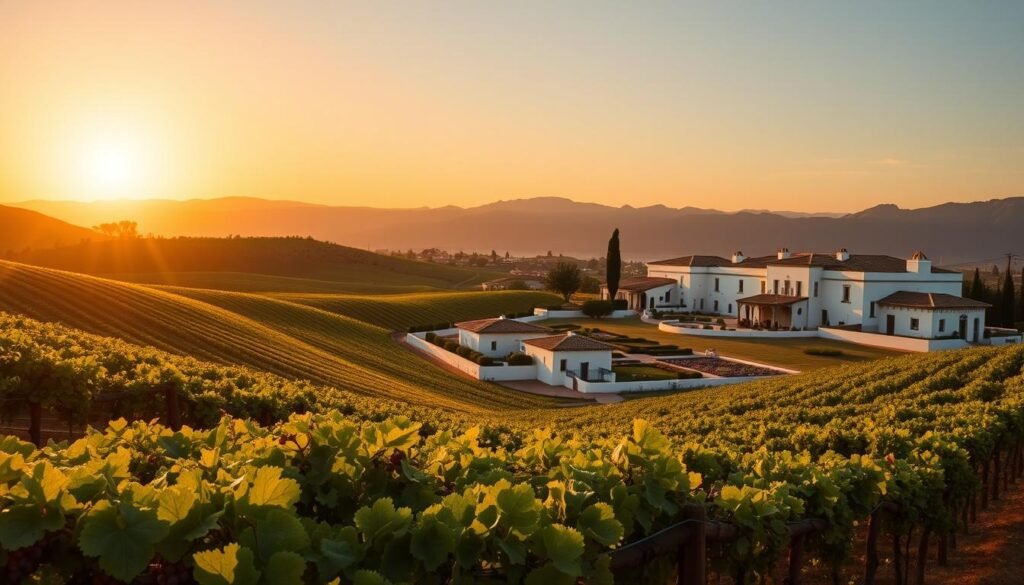
Jerez, Sanlúcar, and El Puerto
Jerez supplies broad inland character and many established bodegas. Sanlúcar sits on the coast and brings cooler, humid air that helps a thicker flor to form. El Puerto balances both, offering moderated temperatures and classic house profiles.
DO expansion and terroir essentials
In 2022 the DO added Chiclana, Chipiona, and Trebujena. This broadened the permitted area while keeping strict production rules.
- Albariza soils: white, chalky marine sediments that reflect light and hold moisture for healthy vines.
- Atlantic winds: Poniente and Levante moderate temperature and humidity, crucial for flor and slow oxidative aging.
| Town | Microclimate | Signature cue |
|---|---|---|
| Jerez | Warmer, drier | Oxidative depth |
| Sanlúcar de Barrameda | Cooler, humid | Saline, strong flor |
| El Puerto | Intermediate | Balanced styles |
Understanding place helps us see why the same grape and the same cellar choices yield distinct wine personalities across the DO. Local soils, sea air, and tradition together shape recognizable town and house styles.
Grapes of Sherry: Palomino, Pedro Ximénez, and Moscatel
Three main grapes define the region’s character. We outline each variety, note preferred soils, and link the fruit to common production choices.
Palomino for dry styles
Palomino supplies roughly 90–95% of plantings and acts as the backbone grape for dry bottles. It makes a neutral base that lets cellar processes drive flavor.
Palomino thrives on albariza soils. That chalky ground holds moisture and gives the grape a steady ripening pattern suited to biological or oxidative aging.
Sun-dried Pedro Ximénez and Moscatel
Pedro Ximénez (PX) and Moscatel are dried in the sun after harvest to concentrate sugars. The result is dense must for syrupy dessert expressions and for sweet blends.
- PX: native to Andalucía, yields molasses-like texture after long aging.
- Moscatel: often planted on sandier coastal sites and brings floral lift.
- Both grapes also enhance Cream-style blends by adding sweetness and aroma.
| Grape | Preferred soil | Typical role |
|---|---|---|
| Palomino | Albariza | Dry base for aging-driven styles |
| Pedro Ximénez | Inland, sun-drying | Syrupy dessert wine and sweetening blends |
| Moscatel | Sandy coastal sites | Floral, sweet accents |
Inside the Aging Process: Flor, Air, and the Role of Time
Our focus here is on how cellar conditions and time steer two very different aging paths in the solera. Both routes start with the same grape but follow distinct cellaring choices that define final character.
Biological aging under a living layer
A living layer of flor (a film yeast) forms when fortification sits near 15% ABV. The layer shields the liquid from oxygen and creates savory, saline notes typical of fino manzanilla.
Flor consumes glycerol and other compounds, giving a lighter, incisive palate. In Sanlúcar, moist Atlantic air helps form a thicker flor that favors coastal brightness.
Oxidative evolution with air contact
At higher fortification (about 17–22% ABV) flor cannot persist. Wine ages with controlled air contact and deepens in color and aroma. The result is nutty, caramel, and dried‑fruit layers.
- Cellar humidity and ventilation keep the layer healthy or slow oxidation.
- Evaporation, refortification, and scheduled sacas maintain balance over time.
- Choice of biological versus oxidative path is the single biggest driver of final profile.
Recognizing exceptional age
| Designation | Average age | Profile cue |
|---|---|---|
| V.O.S. | 20+ years | Complex, mature aromas |
| V.O.R.S. | 30+ years | Rare concentration and depth |
| Solera | Non‑vintage blend | Consistency and layered time |
The Solera y Criadera System: How Fractional Blending Builds Consistency
We explain how tiers of casks and small annual withdrawals lock decades of flavor into every bottle. The solera organizes barrels by age, with the solera row holding the oldest stock and criaderas above holding progressively younger lots.
Operators draw a portion from the solera (the saca) for bottling. Then each upper tier refills the row below (rocío), and fresh production enters the top criadera. By law, withdrawals stay limited—commonly up to about 30% per year—so older components remain in the blend.
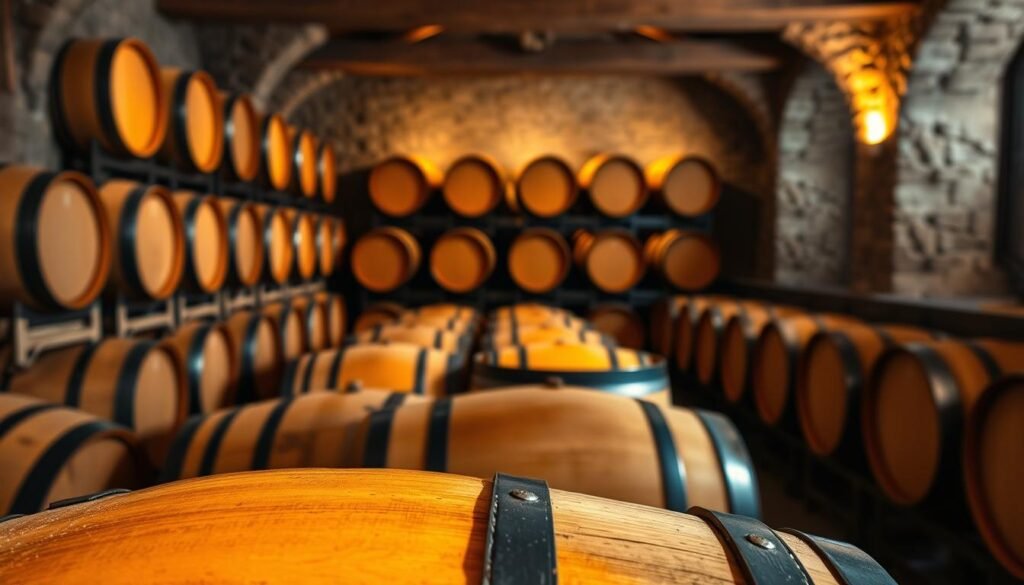
How the process works in practice
- Barrels are stacked in tiers by age to form the system.
- We perform the saca and then move younger casks down to refill each level.
- New wine tops the highest tier, keeping the chain intact.
Cellar hygiene, topping, and stable humidity keep the solera healthy. Some soleras have run for generations, so traces of long-ago vintages live on in current bottles. That continual fractional blending is why non-vintage labeling is standard and why consumers can trust a consistent house profile year after year.
| Feature | Role | Impact on wine | Typical practice |
|---|---|---|---|
| Solera row | Oldest barrels | Holds aged character | Limited saca annually |
| Criaderas | Younger tiers | Supply fresh balance | Sequential rocío refills |
| Saca / Rocío | Withdraw / Refill | Blends ages smoothly | ~10–30% withdrawal |
| Cellar care | Hygiene & climate | Stability of aging | Regular topping, ventilation |
Core Dry Styles: Fino, Manzanilla, Amontillado, Oloroso
This section breaks down the classic dry profiles you’ll meet in a tasting: light, coastal, hybrid, and fully oxidative. We describe each style’s signature notes, typical cellar time in the solera measured in years, and when to serve it.
Fino
Fino is the reference for bone-dry bottles. It spends several years under flor and shows savory almond, fresh dough, and crisp, bracing acidity. Its light body makes it an ideal aperitif.
Manzanilla
Manzanilla grows only in Sanlúcar. Coastal air helps a thicker flor develop, giving a brighter, saline push and coastal freshness. It pairs superbly with seafood and salty snacks.
Amontillado
Amontillado begins under flor, then continues aging with controlled air. That shift marries saline tension to nutty richness for layered flavor and greater mid-palate depth.
Oloroso
Oloroso skips flor and ages oxidatively from the start. Expect fuller body and fragrant notes of walnut, toffee, and warm spice. These styles suit richer mains or solitary sipping.
- Choose fino or manzanilla for bright, bracing aperitifs.
- Pick amontillado when you want both tension and nutty complexity.
- Use oloroso for hearty courses or contemplative glass service.
| Style | Dominant Aging | Signature Notes |
|---|---|---|
| Fino | Flor, years in solera | Almond, bread crust, saline |
| Manzanilla | Flor, coastal solera | Sea air, bright saline |
| Amontillado | Flor then air | Nuts, caramel, saline tension |
| Oloroso | Oxidative from start | Walnut, toffee, spice |
The Mysterious Middle Ground: Palo Cortado Explained
Palo cortado sits between two familiar cellar paths, offering perfume and weight in one glass.
Historically, these barrels began under flor and then lost that protective layer. Modern cellar teams may let that transition occur or steer it deliberately. The result: an amontillado-like aroma with the body of an oloroso.
Character and aging choices
We find nutty and caramel notes, often with citrus-peel lift. The palate feels sleek yet substantial. Careful aging gives the texture its Oloroso depth while retaining aromatic finesse.
Rarity and variability
Producers differ on when to label a solera palo cortado. That makes bottles rare and brand-specific. We encourage tasting across houses to learn those differences.
- Pair with umami-rich mains, roasted meats, and aged cheeses.
- Serve slightly cooler than room temperature to show balance.
| Trait | Typical cue | Why it matters |
|---|---|---|
| Origin | Lost flor / deliberate shift | Creates hybrid profile |
| Flavors | Nuts, caramel, citrus-peel | Food-friendly complexity |
| Aging | Oxidative after flor | Weight with aromatic lift |
Sweet and Cream Styles: Pedro Ximénez, Moscatel, and Cream Sherry
Sweet styles showcase a different side of the DO, where sun-dried fruit and long cellar time create intense, dessert-ready bottles.

Pedro Ximénez (PX) starts with grapes left in the sun about 15–20 days. That concentrates sugars to roughly 500 g/L. Producers allow partial fermentation, then fortify to near 15% ABV.
The dense PX evolves slowly in seasoned American oak casks and old barrels. Over years it gains molasses-like texture and deep raisin notes. Some bottles receive a small refortification before bottling to stabilize sweetness.
Moscatel and its floral lift
Moscatel plays a smaller role but adds orange blossom and jasmine tones. Its perfumes lighten very sweet bottles or blend components when a floral edge helps balance richness.
How cream sherry is made
We define cream sherry as a blend—often Oloroso plus PX or Moscatel—aged in their own soleras to marry body and sweetness. Historically it found a large market in the UK and remains popular for dessert service.
- Best with blue cheese, baked fruit, or drizzled over ice cream.
- Check producer notes and bottling details to judge concentration and balance.
| Style | Key trait | Best use |
|---|---|---|
| PX | Syrupy, raisin-driven | Dessert, spooning, glaze |
| Moscatel | Floral sweetness | Light desserts, aromatic blends |
| Cream sherry | Oloroso base + sweetener | Cheese boards, after-dinner |
How to Serve and Store Sherry Right Now
This section gives clear guidance on temperatures, glassware, and short‑term storage you can use tonight. We focus on preserving bright aromatics for biologically aged styles and keeping older, oxidative bottles steady over time.
Chilling and glassware: from white wine glasses to schooners
Serve Finos and Manzanillas colder to highlight freshness—about 40–50°F (5–9°C). Amontillado, Palo Cortado, and Oloroso do better slightly warmer, around 50–60°F (10–14°C).
Use a standard white wine glass to concentrate aromas and show texture. For a traditional touch, a schooner or small stemmed glass works in casual service. We recommend keeping pours modest to enjoy a range of sherry wines during a single sitting.
Fridge life for Fino/Manzanilla vs. oxidative styles
Finos and Manzanillas are best drunk young. Unopened, drink within 1–2 years for peak clarity. Once opened, refrigerate and finish within 1–2 weeks for optimal freshness.
Oxidative styles aged longer in the system keep much better. Store unopened bottles for 3–5 years. After opening, they remain stable up to about two months if recorked and kept cool.
- Minimize headspace and re‑cork tightly to reduce oxidation.
- Refrigeration helps all open bottles; remove from cold briefly before serving to reach ideal temperature.
- Buy smaller formats if you consume slowly to avoid waste and keep peak quality over time.
| Style group | Serve temp | Open bottle life |
|---|---|---|
| Fino / Manzanilla | 40–50°F (5–9°C) | 1–2 weeks refrigerated |
| Amontillado / Palo Cortado / Oloroso | 50–60°F (10–14°C) | Up to ~2 months recorked |
| Unopened aging | Cellar or cool pantry | Finos: 1–2 years; Oxidative: 3–5 years |
Food Pairing Basics: If It Swims, Flies, or Runs
A quick rule of thumb helps us decide what to serve with fish, fowl, or beef. Match intensity and salt to keep dishes and bottles in balance.
Seafood and light dishes
If it swims, pick fino manzanilla. Their saline, almond-tinged notes lift shellfish, sushi, jamón, and olives without overpowering them.
Poultry and umami vegetables
If it flies, choose Amontillado or Palo Cortado. These styles add savory depth to mushrooms, asparagus, artichokes, and roasted chicken.
Hearty mains and desserts
If it runs, reach for Oloroso; its nutty, caramel flavors stand up to braises and roasted meats. For desserts, Pedro Ximénez excels with chocolate, tiramisu, or blue cheese and works well as a drizzle.
- Use modest pours so you can taste several pairings.
- Try regional tapas—mojama or tortilla—to explore contrasts.
- Experiment; small shifts in acidity or salt change the pairing result.
| Dish type | Best match | Flavor cue |
|---|---|---|
| Seafood, sushi | Fino Manzanilla | Saline, almond |
| Mushrooms, poultry | Amontillado / Palo Cortado | Umami, toasted |
| Braises, roasted meats | Oloroso | Nutty, caramel |
| Dessert, blue cheese | Pedro Ximénez | Raisin, molasses |
Sherry Today: Bodegas, Cocktails, and Why It Matters
Across the sherry triangle, historic bodegas and modern bars pair cathedral‑like cellars with lively cocktail culture. High ceilings, albero floors, and Atlantic windows help flor and a living yeast layer thrive in barrels and casks.
We spotlight benchmark houses—González Byass, Lustau, Valdespino, Barbadillo and others—so readers can sample house styles from bone dry finos to V.O.R.S. releases. Palo cortado remains a connoisseur’s curiosity; try several producers by the glass.
Beyond bottles, the region fuels cocktails like the Bamboo, Fino Swizzle, and Butchertown. It also sends vinegar and Brandy de Jerez worldwide, proving the solera system and long aging keep flavors consistent across vintages and years.